Congratulations
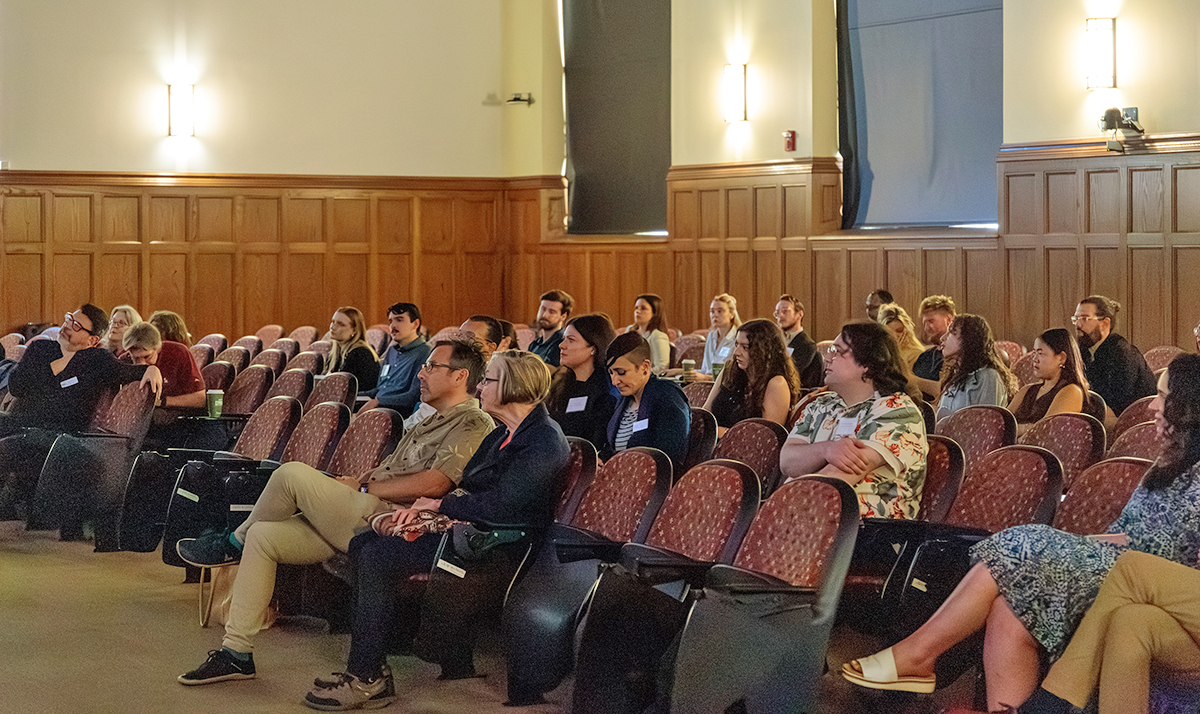
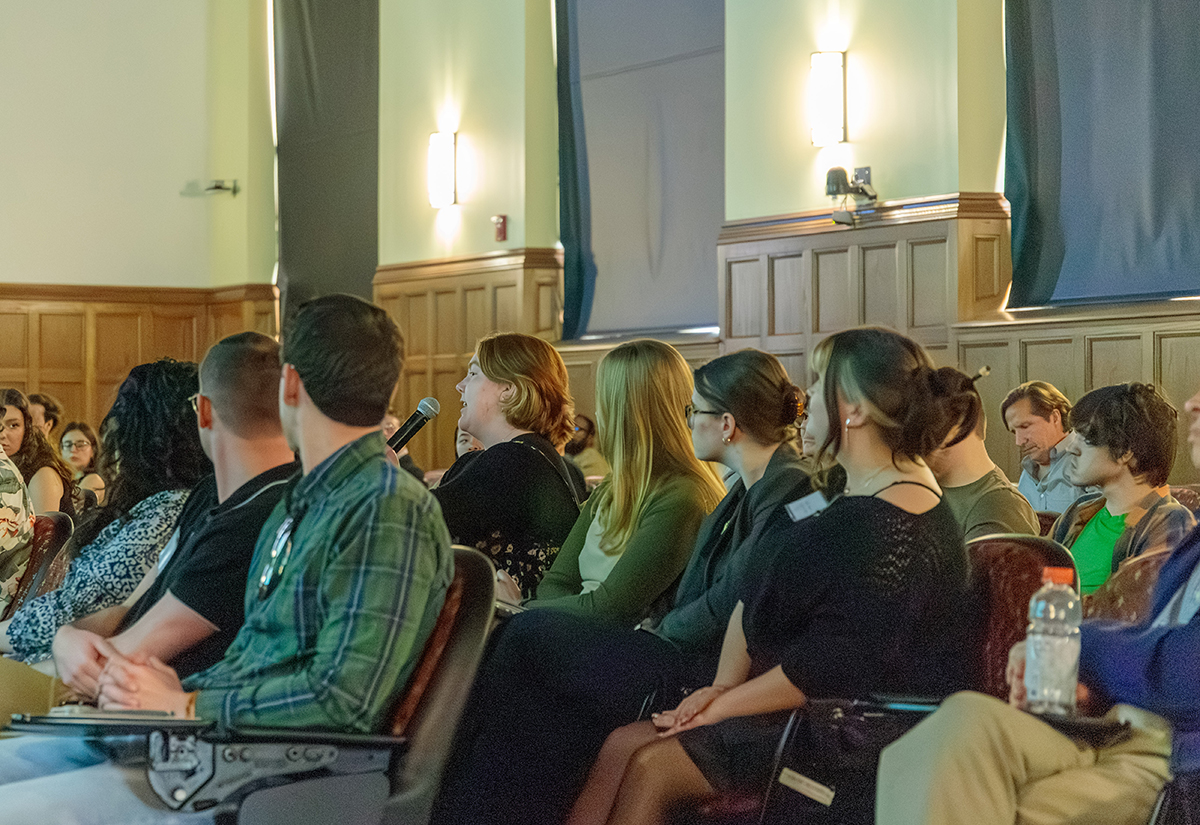
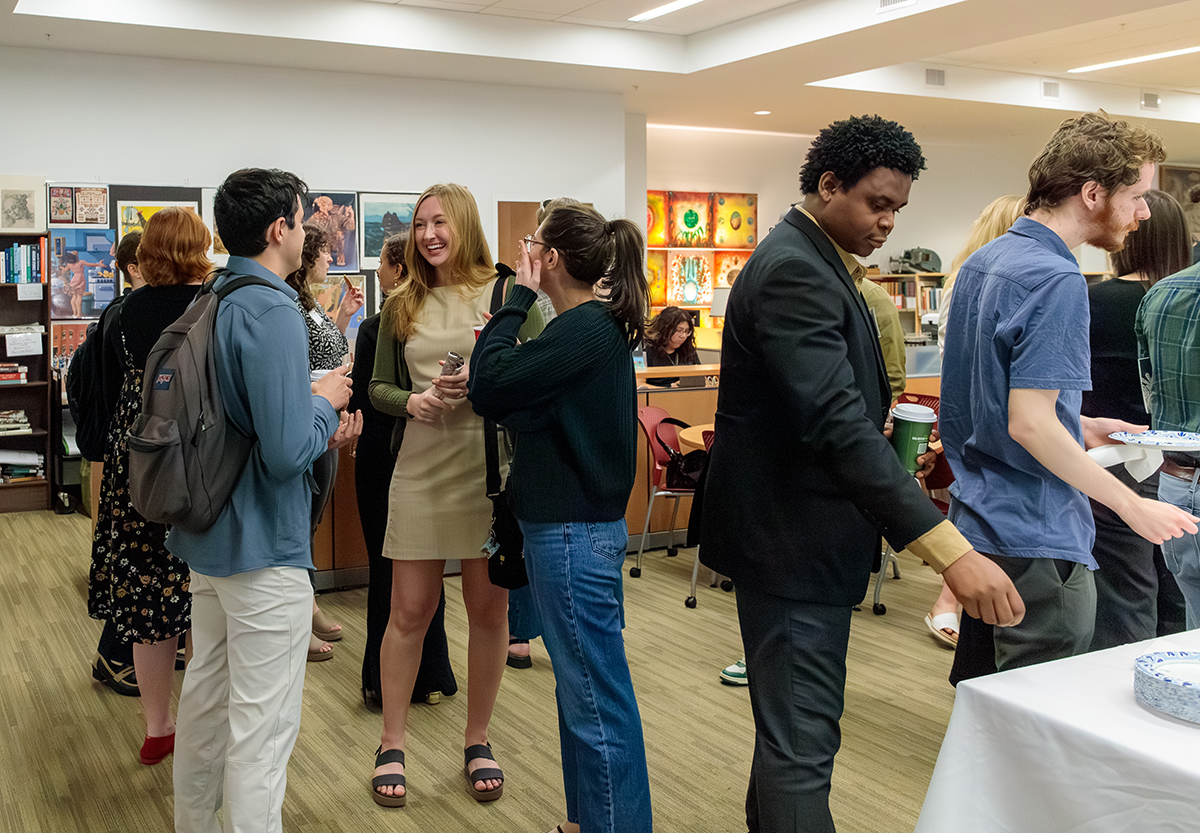
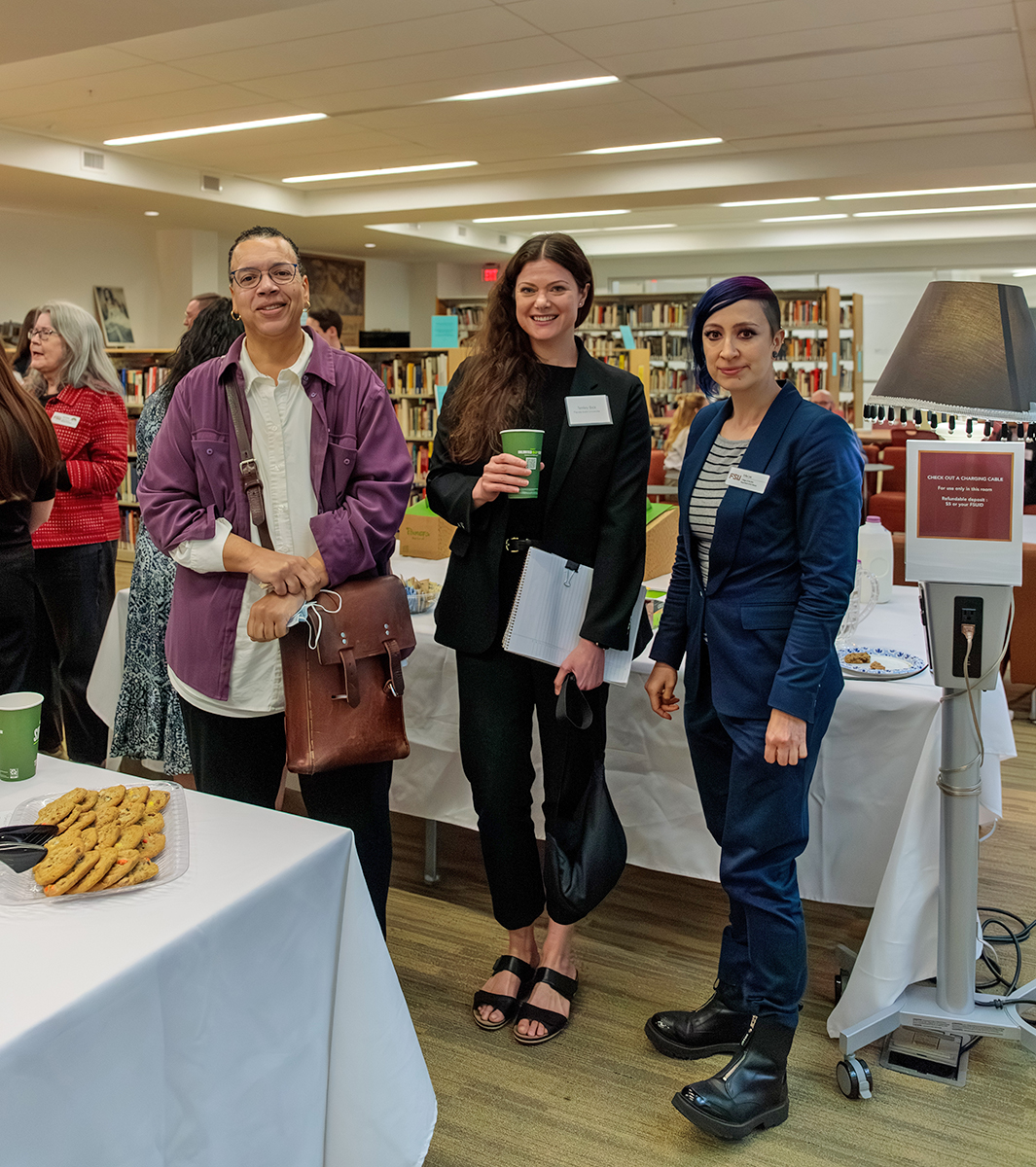
Congratulations and many thanks to all who participated in our 42nd Annual Graduate Symposium on March 6 & 7, 2026. Graduate students from nine universities presented and discussed their research with FSU students, faculty, and community members. Our annual Symposium is organized and hosted by an elected committee of graduate students, continuing our long tradition of scholarship and hospitality. Papers presented at the Symposium are considered for publication in Athanor, an internationally distributed periodical published by FSU Libraries.
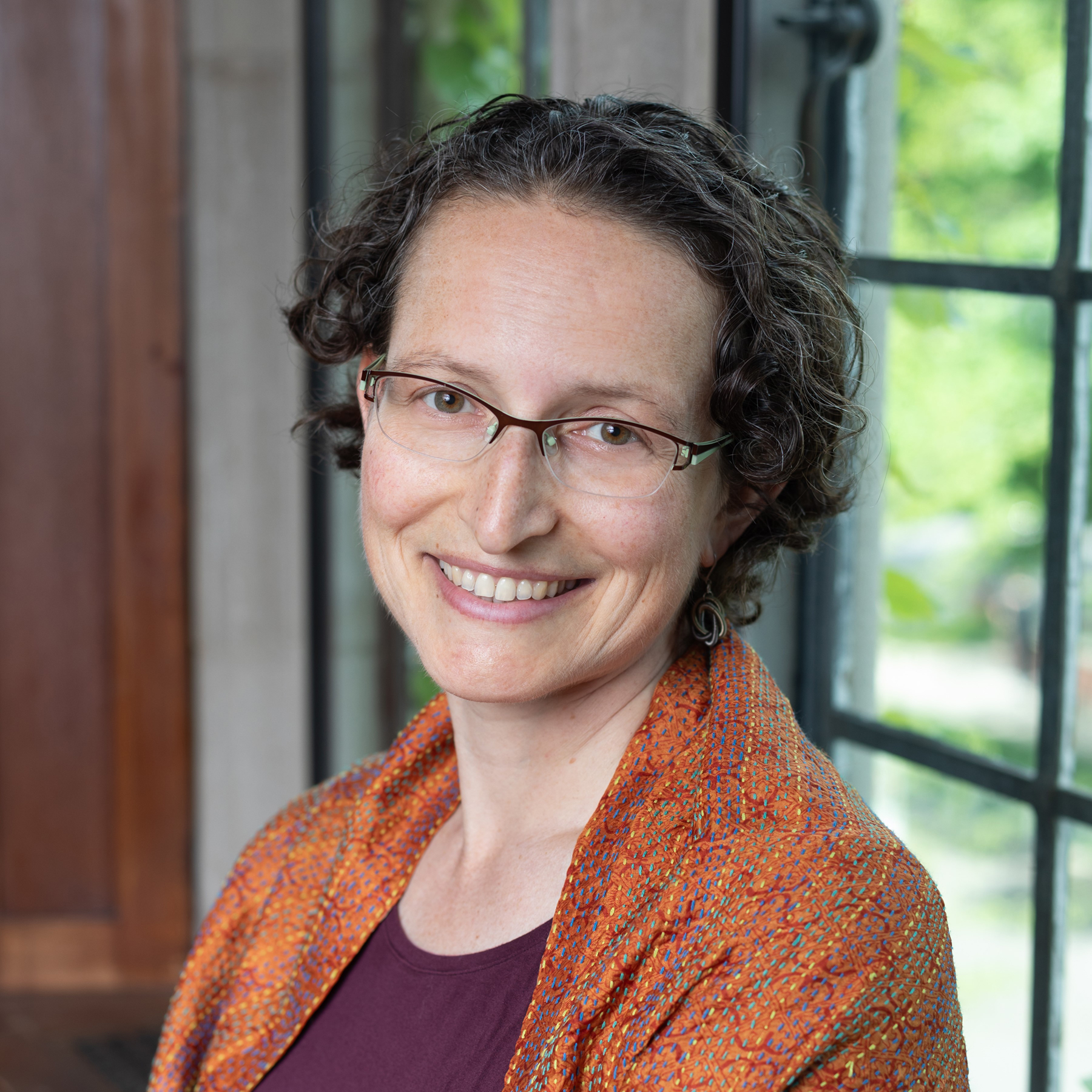
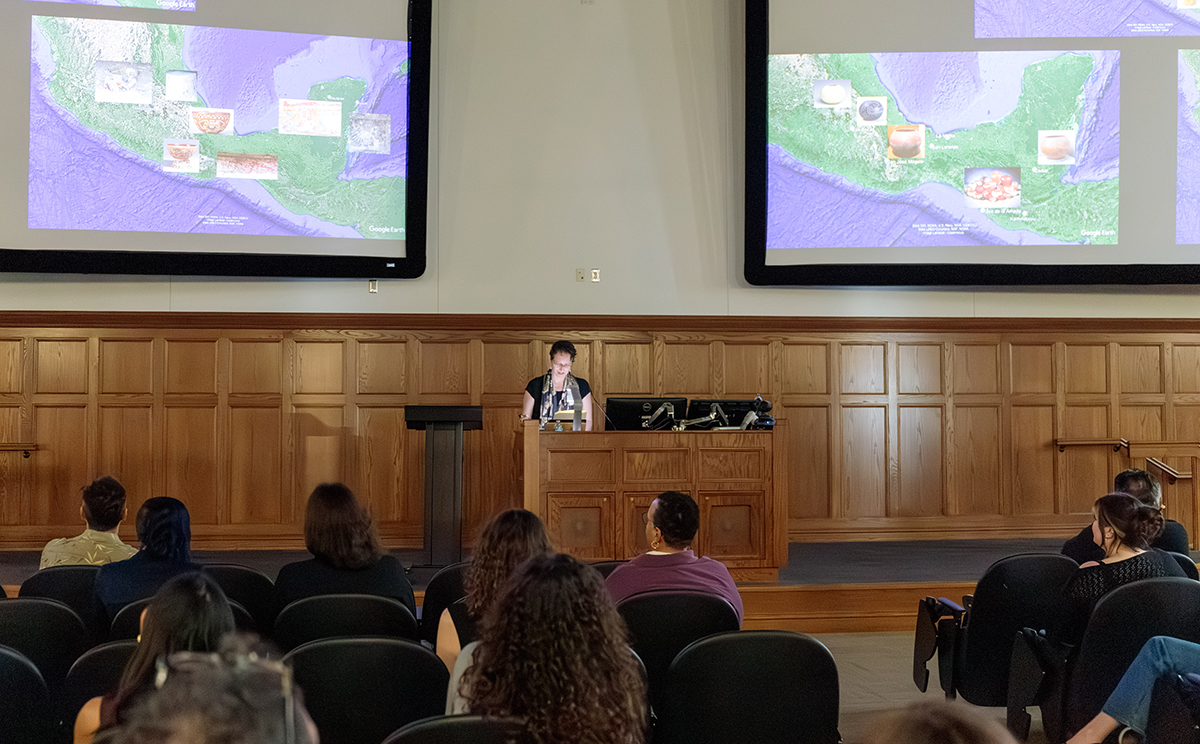
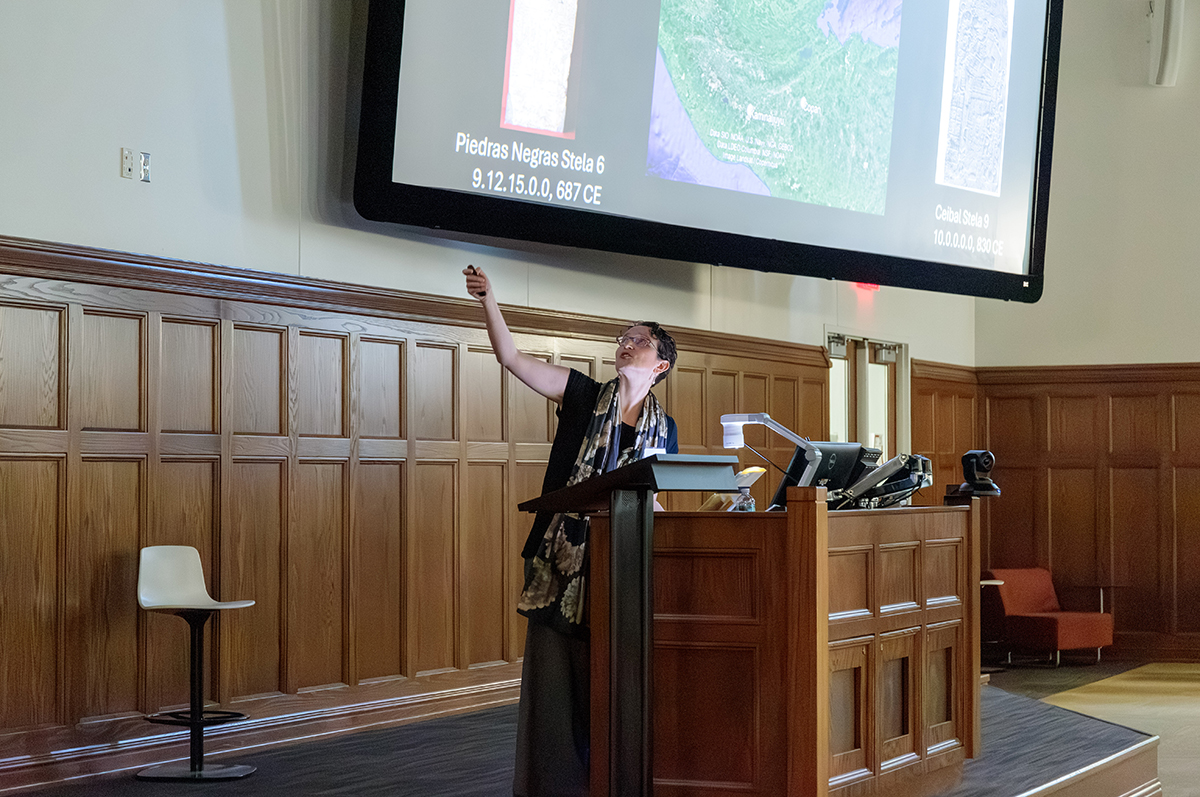
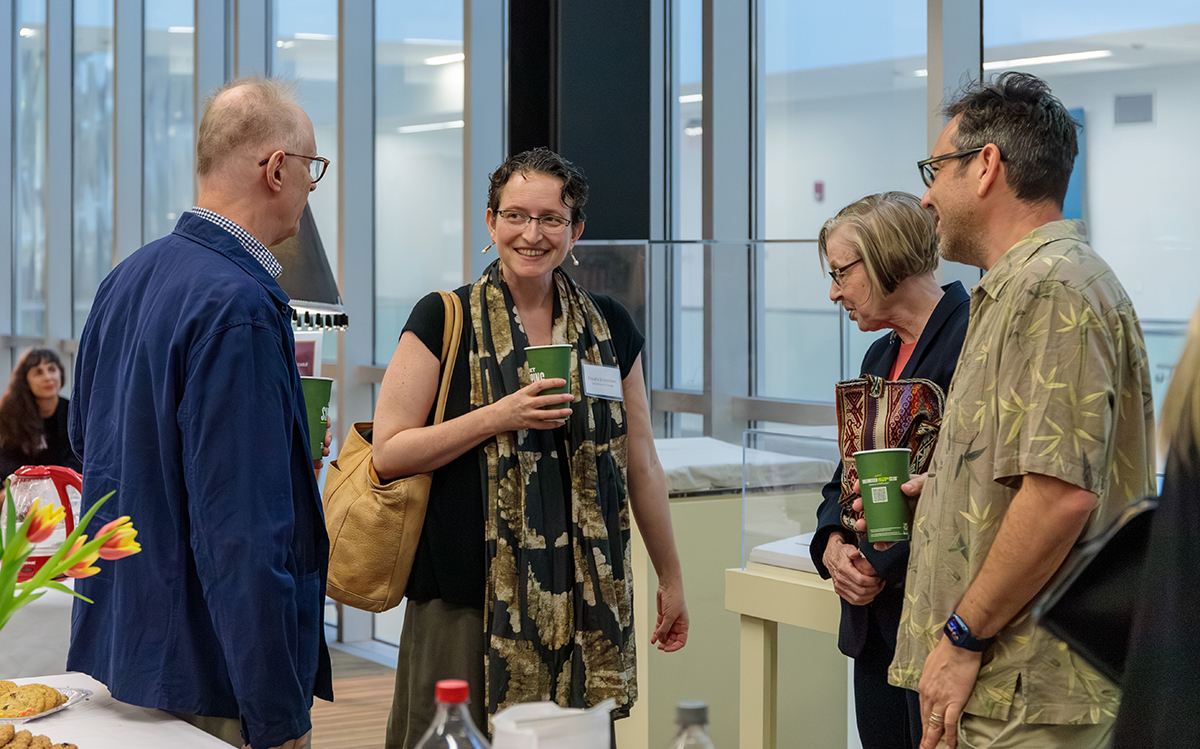
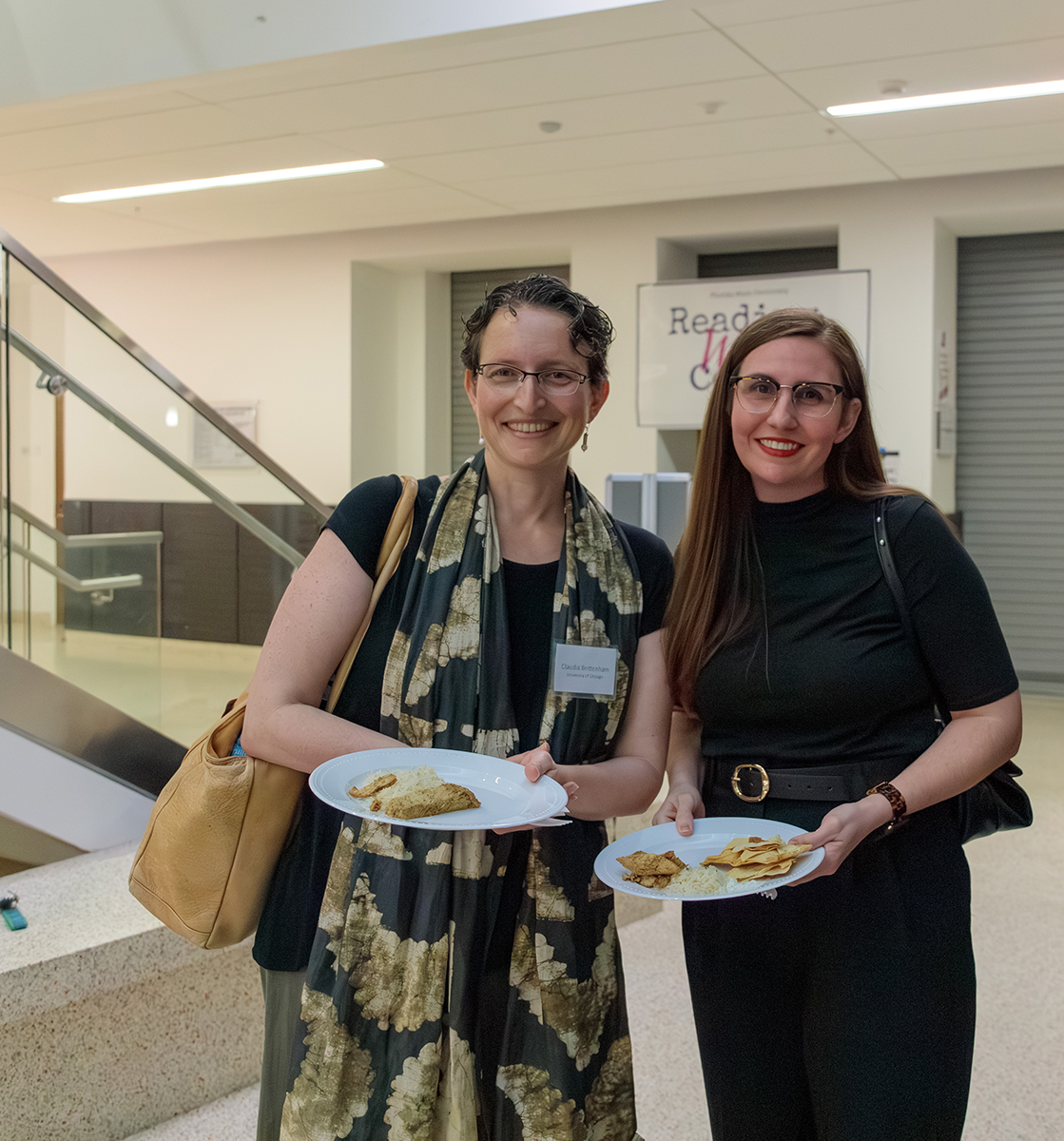
The Symposium keynote address was delivered this year by Claudia Brittenham, Mary R. Morton Professor in the Department of Art History and the Department of Race, Diaspora, and Indigeneity at the University of Chicago. She is also Director of the Center for Latin American and Caribbean Studies. Dr. Brittenham presented “Telling Time: Periodization, Analogy, and Mesoamerican History.”
Each year one student paper is selected by the faculty on the basis of originality and presentation for the Günther Stamm Prize, in memory of a founding professor of the Department of Art History. This year the Stamm Prize was awarded to Ana Rodríguez Castillo (Universidad Nacional de Educación a Distancia, Madrid) for her paper “Green, a Modern (Re)invention: Pigments, Practice, and the Material Limits that Shaped Artistic Languages.”
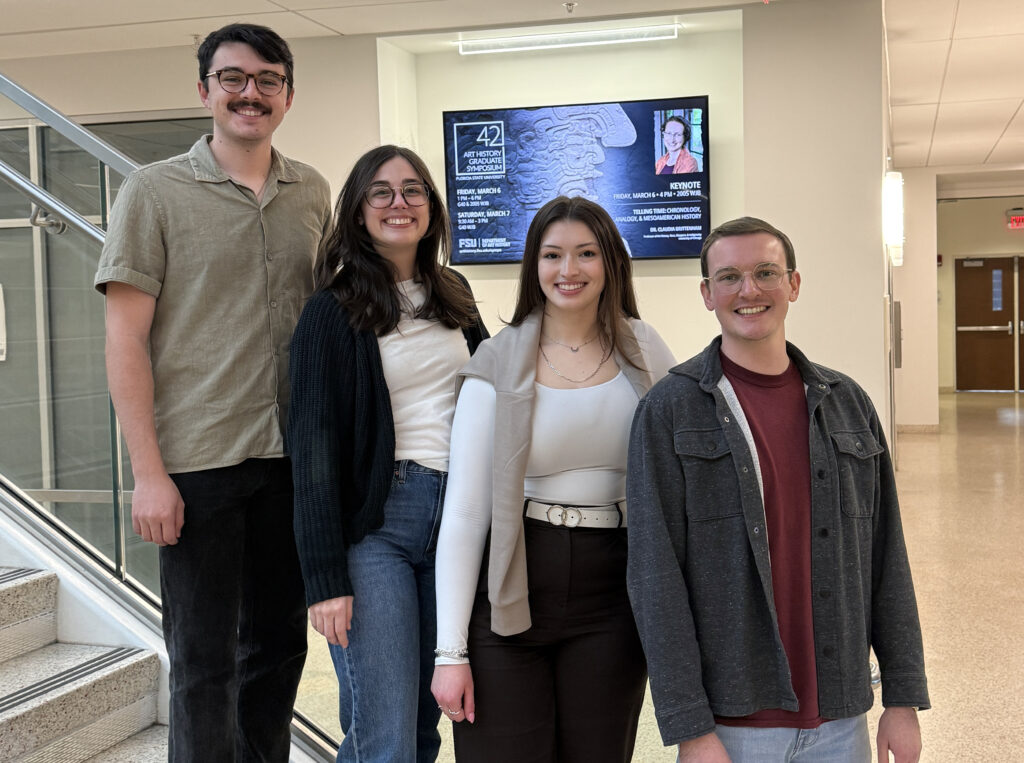
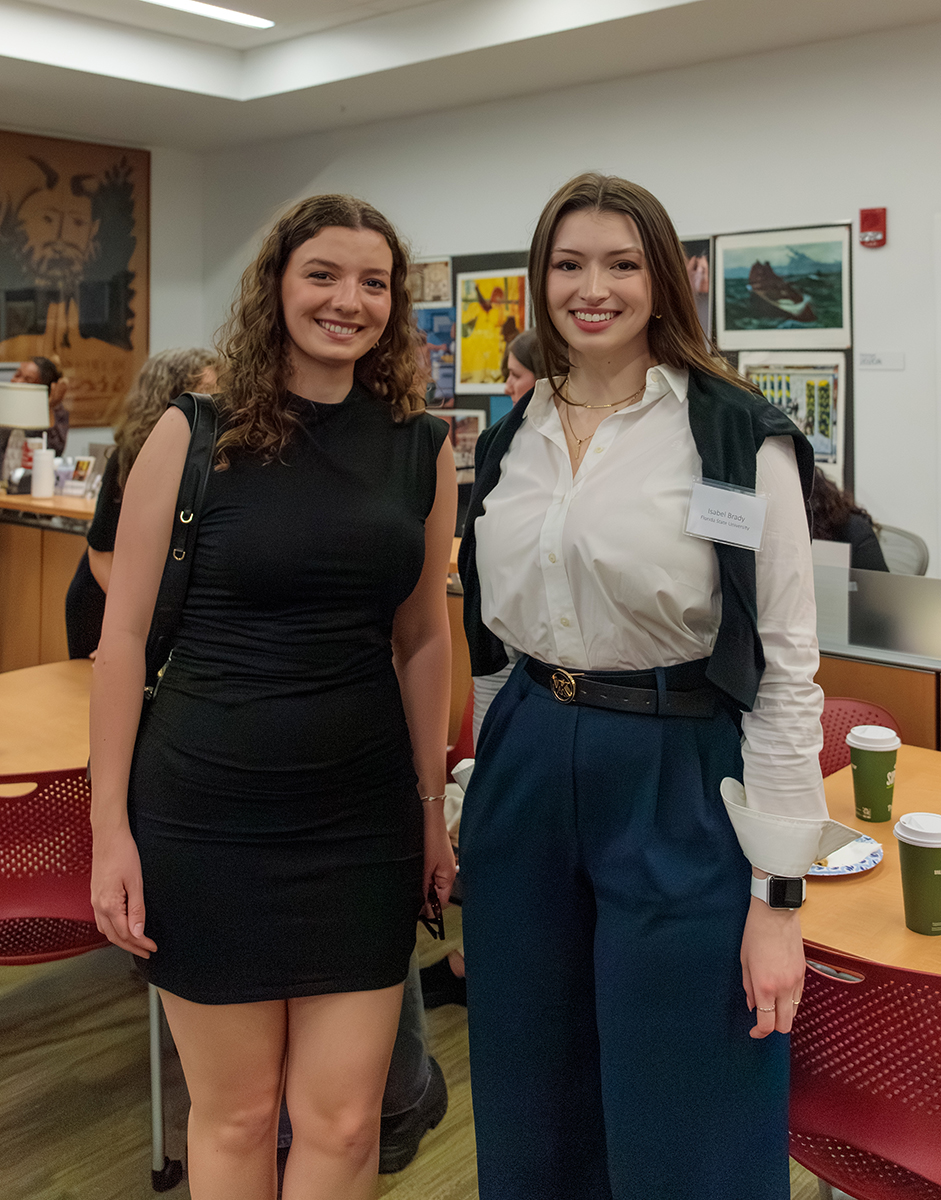
At left, members of the 2026 Graduate Symposium committee (L to R) Hudson Kauffman, Serena D'Alessandro, Isabel Brady, and Athanor Editor Quentin Clark.
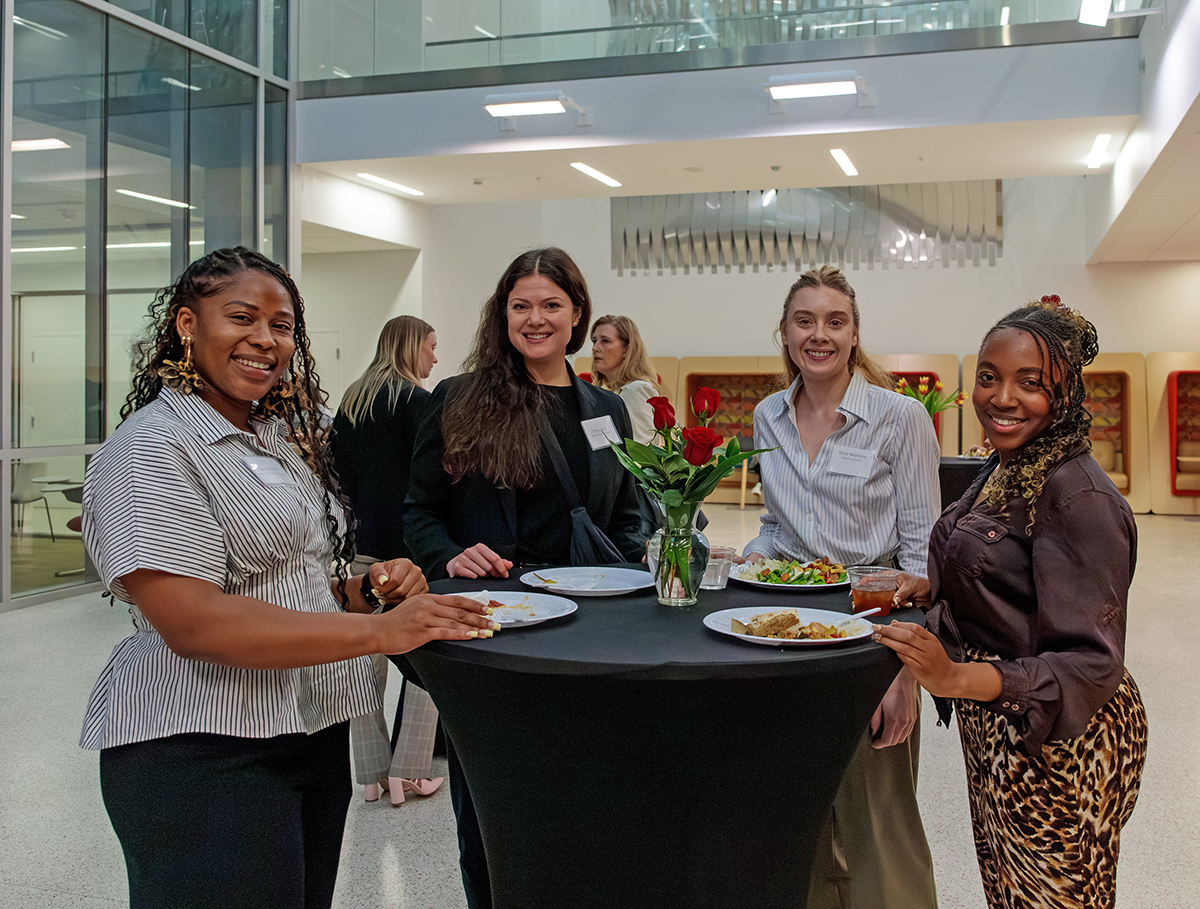
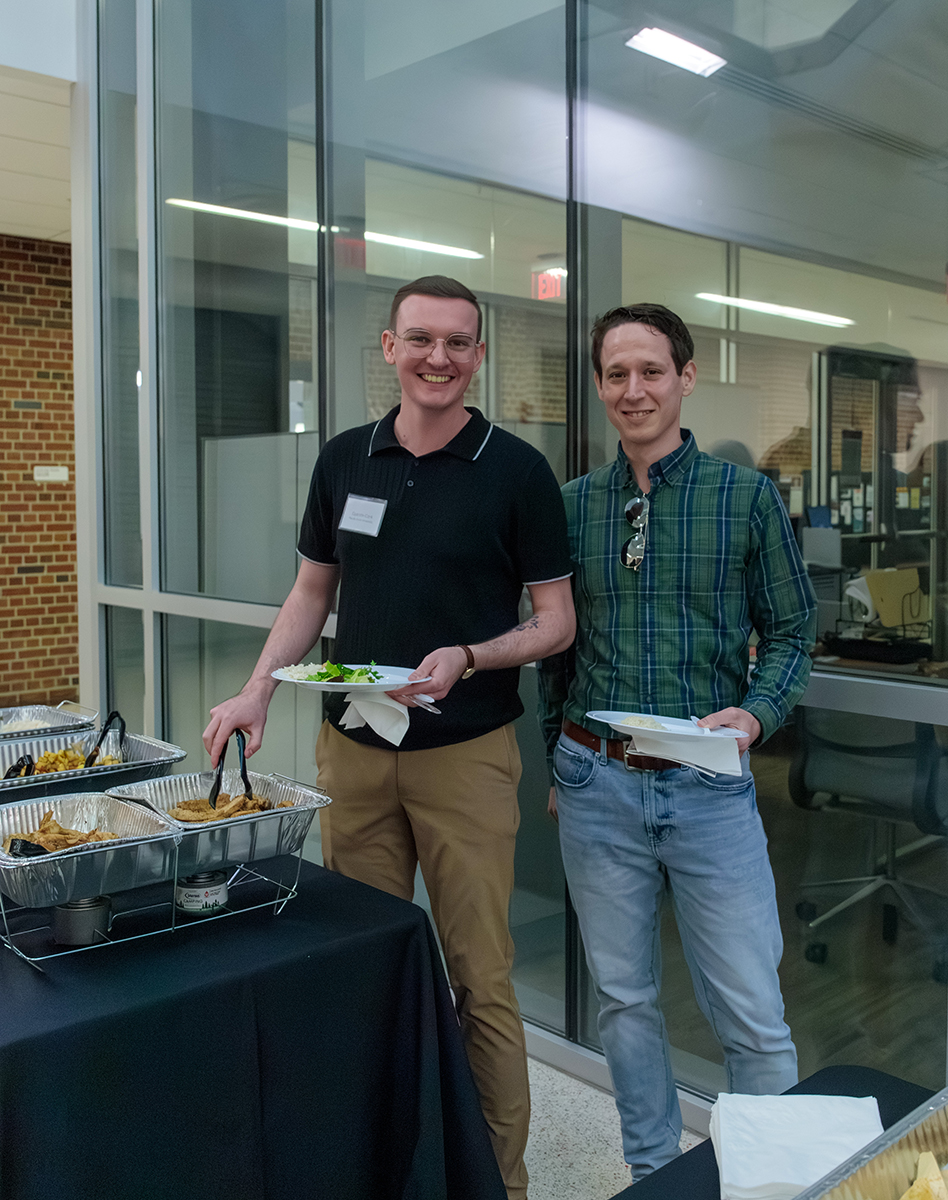
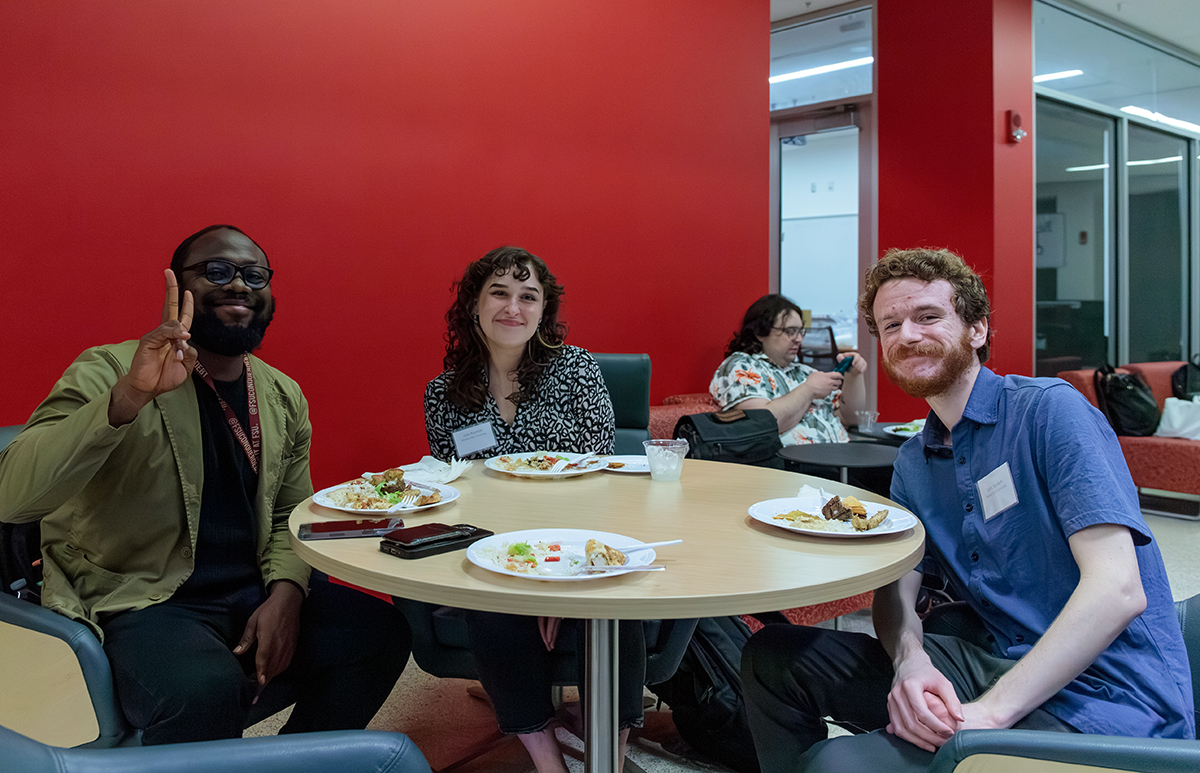
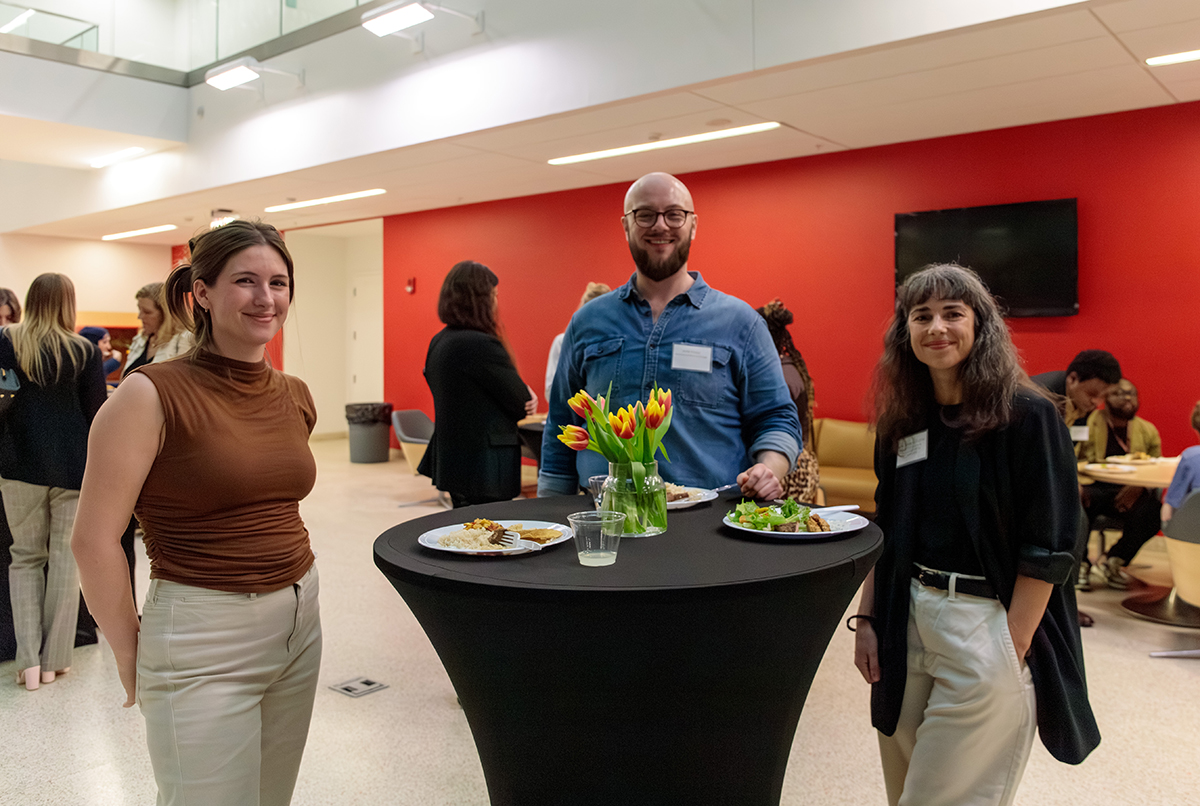
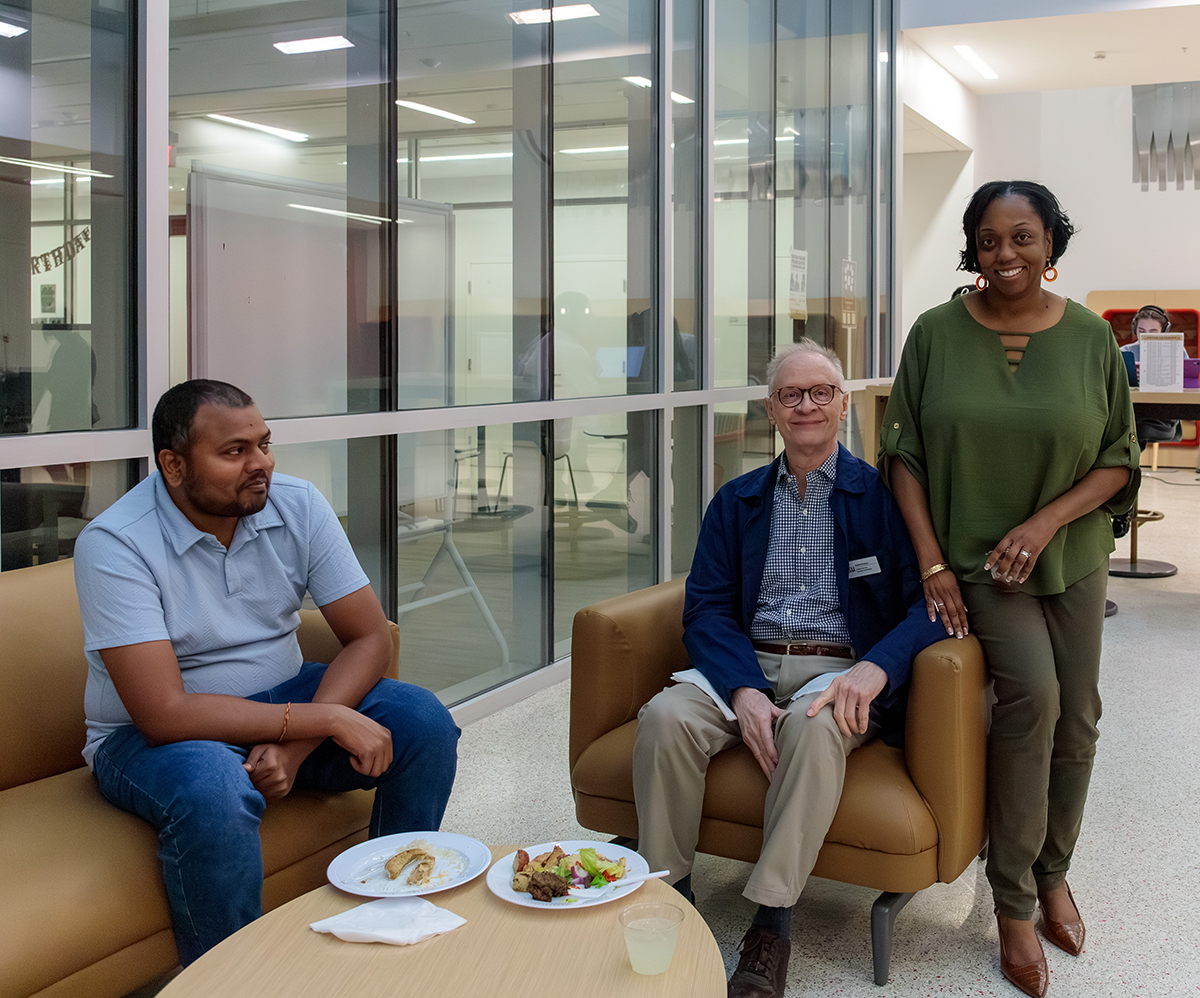
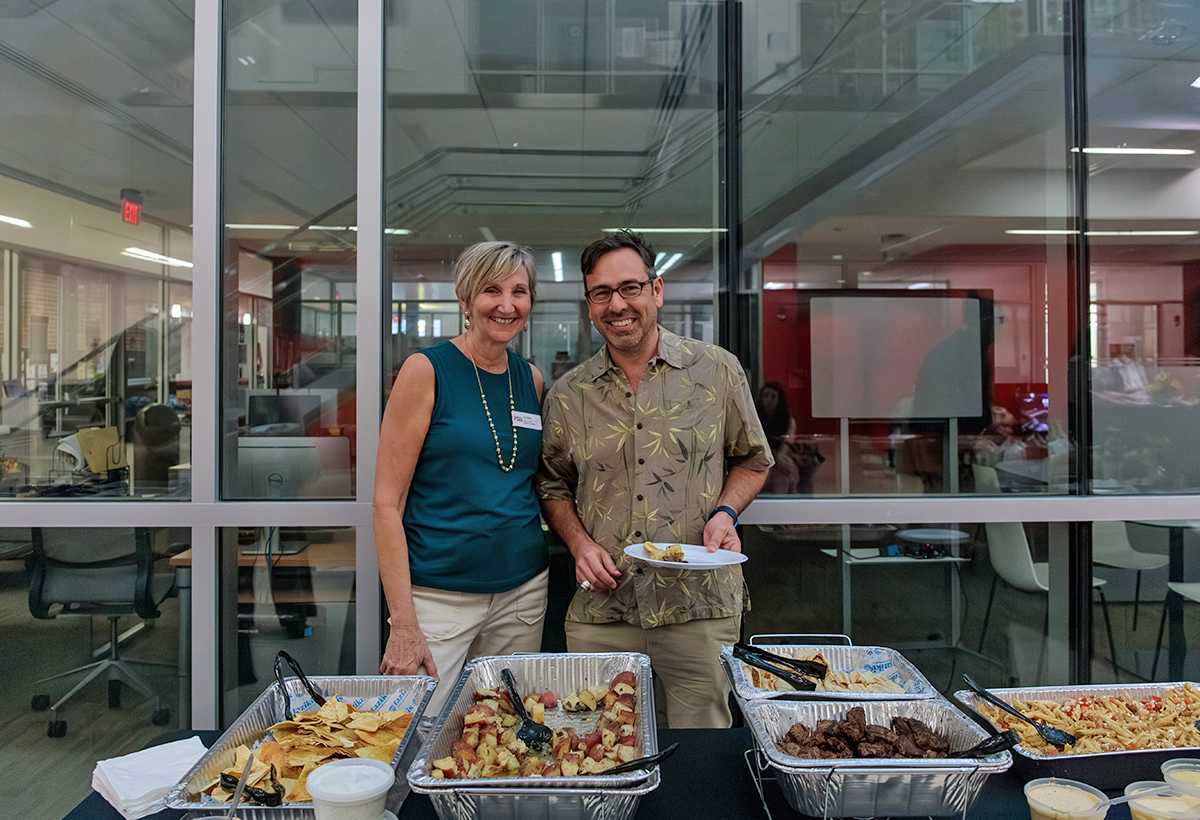
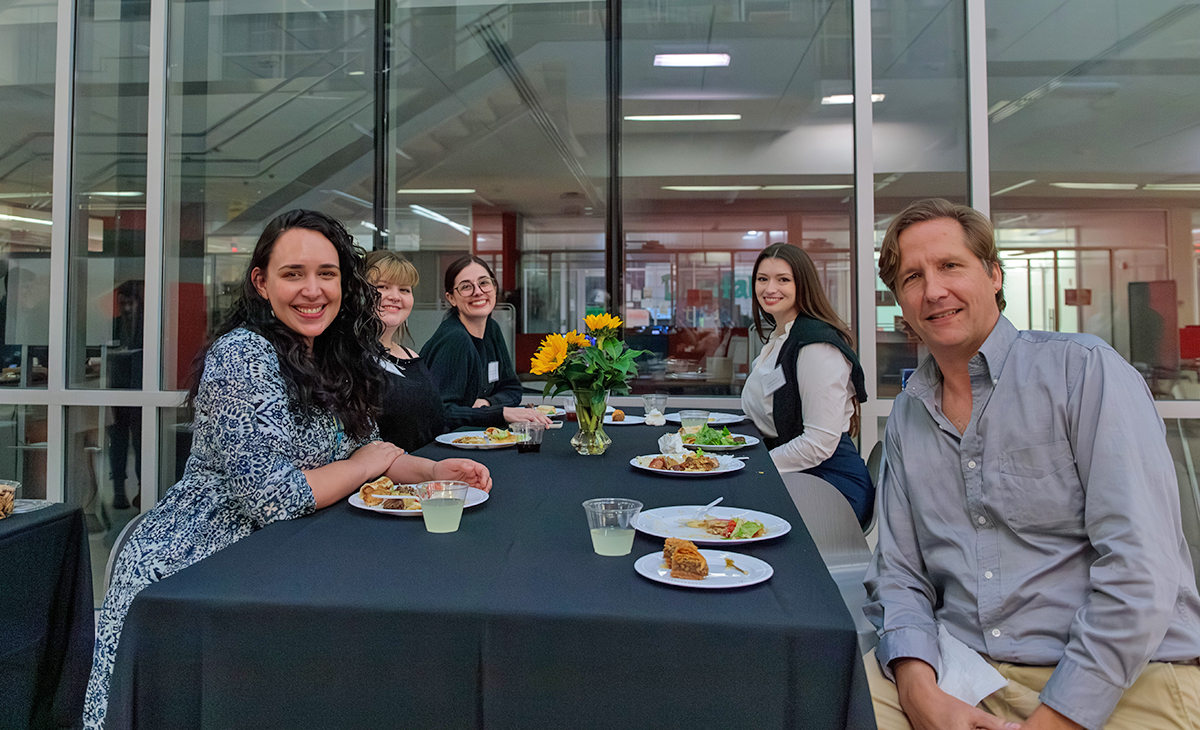
Photo Gallery
History & Mission
Inaugurated in 1981, the FSU Art History Graduate Symposium participates in a long tradition of student conferences in our discipline. This open forum brings together students, professors, and members of the community to share ideas and expertise. We call it a symposium, with all the classical associations of that word, to suggest that it is not just a series of lectures, but a conversation.
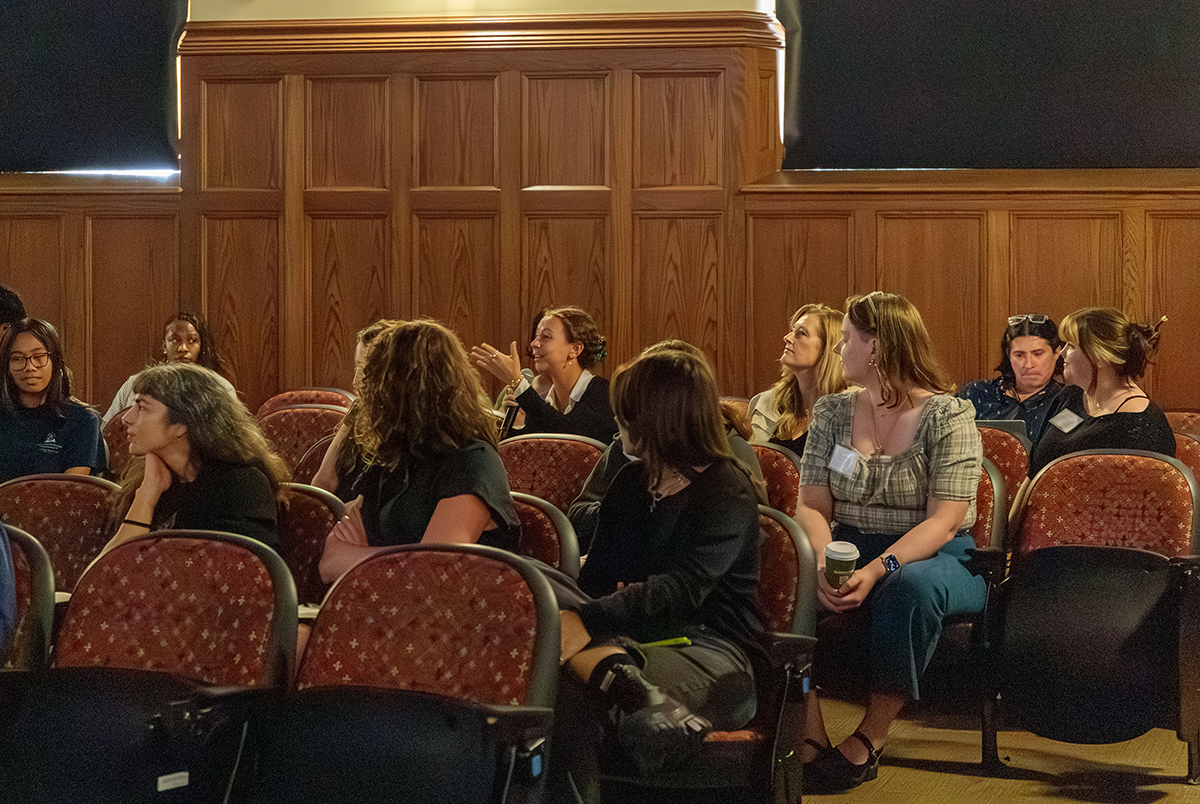
Our purpose is to provide the opportunity for students to present the results of their scholarly efforts in twenty-minute talks, and to profit from the audience’s response. At the end of each paper, the speaker engages directly with the audience, both students and faculty, so that the ideas they present become the basis for further exploration. Each year we invite a distinguished scholar to deliver the keynote address and participate in these discussions. Keynote scholars have included Richard Schiff, Oleg Grabar, Alexander Nemerov, Barbara E. Mundy, Claire Farago, Felipe Pereda, Maria Gough, John T. Paoletti, Heather Igloliorte, and Charlene Villaseñor Black.
Sharing research, meeting others in our field, creating long-lasting friendships and professional associations – these vital interchanges are at the core of the FSU Symposium experience. We seek to broaden the professional, personal, and academic horizons of every participant: the visiting young scholar, the returning alumnus, the local undergraduate considering graduate work — and of course the professors, who also learn a great deal in the process.
Athanor
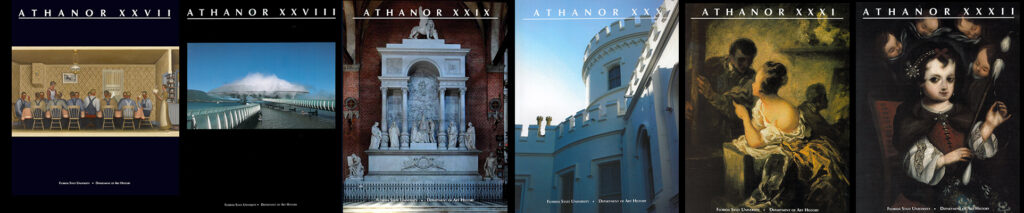
Our symposium is distinguished from similar gatherings because it was conceived from the start to result in a publication. Student speakers are able to submit their papers to our journal Athanor, published here since 1981. The manuscript goes through several stages of editing before coming to fruition in the final article, which have been published and shared with more than 300 libraries and institutions across America and Europe. In the interest of conservation and innovation, in 2019 we transformed Athanor to an online publication, now edited by a graduate student editor on the Symposium Committee and published by FSU Libraries: Athanor.