• Refine Your Search:

Upcoming Graduate Courses - Fall 2026

Click the course titles for full descriptions
Click here to view PAST
courses - Spring 2026

Seminars

FILE NOT FOUND
ARH 5806-01 Futures and Futurisms – Dr. Tenley Bick

Tuesday 4:50—7:20pm in WJB 2038

Major area: Modernities and Modernisms 
Bridging art history, futures studies, and philosophy, this graduate seminar examines the proliferation of new theories and forms of futurisms in recent decades alongside their modernist precedents, with a focus on chronopolitics, post- and decolonial theory, and radical traditions of thought and practice with which they intersect. Topics include, among others: philosophical theories of the future (from Marxism, phenomenology, and post-structuralist theory, among other discourses); historical Futurism (Italian, Russian); neo- and retro-futurisms; utopianism; futurability; queer futurity; “radical futurisms”; Afrofuturism; Indigenous Futurism; and apocalypticism and the “closing” of the future, among others. The seminar concentrates on modern and contemporary art and theory but welcomes student research topics on other sub-areas of art history. Students will identify areas of study that merit new research that they will then pursue over the term, culminating in a final seminar paper. 

there is a stone bridge over a body of water with a building in the background
ARH 5806-03  Garden History – Dr. Robert Neuman

Monday 1:20—3:50 pm in WJB 2038

Major area: Modernities and Modernisms

This seminar treats Western gardens from the Renaissance through the Modern period, with a brief glance backward at ancient Roman gardens, as expressions of beauty, power, and control of the natural world.  Depending on the choice of paper topic, students may use the seminar to fulfill departmental degree requirements for a single chosen subject area.  The class focuses on major sites in urban and country settings, from the Medici villas in Tuscany and the gardens of Versailles to American botanical parks and the High Line in New York City.  We also consider the representation of gardens in art, such as Impressionist painting, and the impact of Modernist styles like Cubism on garden design.  The goal is to study the history of gardens with an emphasis on plantings, design motifs, sculpture, and architectural elements.  We will review principal methodological approaches to the study of gardens as guides to developing an original research paper devoted to a specific site or artwork.  Most important, we consider the meaning of gardens across time: their function as status symbols, cultural markers, and places of reverie.   
FILE NOT FOUND
ARH 5806-04  The Sacred Archive: Art Historical Methodology in the Black Atlantic – Dr. Paul Niell

Thursday 9:45am—12:15pm in WJB 2038

Major areas: Modernities and Modernisms, Visual Cultures of the Americas (VCA)
This seminar examines the interrelationships between art and religion in the African Diaspora through the lens of emerging methodologies in the Black Atlantic. In addition to considering innovations in historical approaches with archives, we will explore how contemporary ritual practices—the scent of sacred herbs, the weight of iron tools, and the rhythm of beaded color—may serve as a “living archive” to decode the spiritual worlds of the Early Modern period.

Focusing on the emergence of Santería, Vodou, and Candomblé, we analyze how African-descendant communities in the Circum-Caribbean and Brazil forged sacred aesthetic realms out of the raw materials of the colonial world. Through this kind of scholarly upstreaming, we consider if the tangible logic of a modern altar can illuminate the “hidden” numinous within a colonial oil painting, a plantation landscape in ruin, or the architectural arrangement of historic houses. We will critically evaluate the potential of this approach along with its pitfalls, confronting the risks of anachronism as well as the challenges and methodological accountability of documenting practices that were etched, assembled, and hidden specifically to remain unseen.

there is a man riding a surfboard on a wave in the ocean
ARH 5864-01  World Arts Methods  – Dr. Brendan Weaver

Wednesday 9:20—11:50am in WJB 2038

This course offers an introduction to the primary methodological and theoretical foundations for the study of World Arts. Students question how World Arts are defined, study relevant methodologies (e.g., anthropology, post-colonial studies, and cultural studies), consider traditional-art historical methodologies from a World-Arts perspective, and examine critical issues pertaining to the study of art and architecture of particular world areas, including a discussion of historical and current methods and theories for approaching visual art beyond museums.

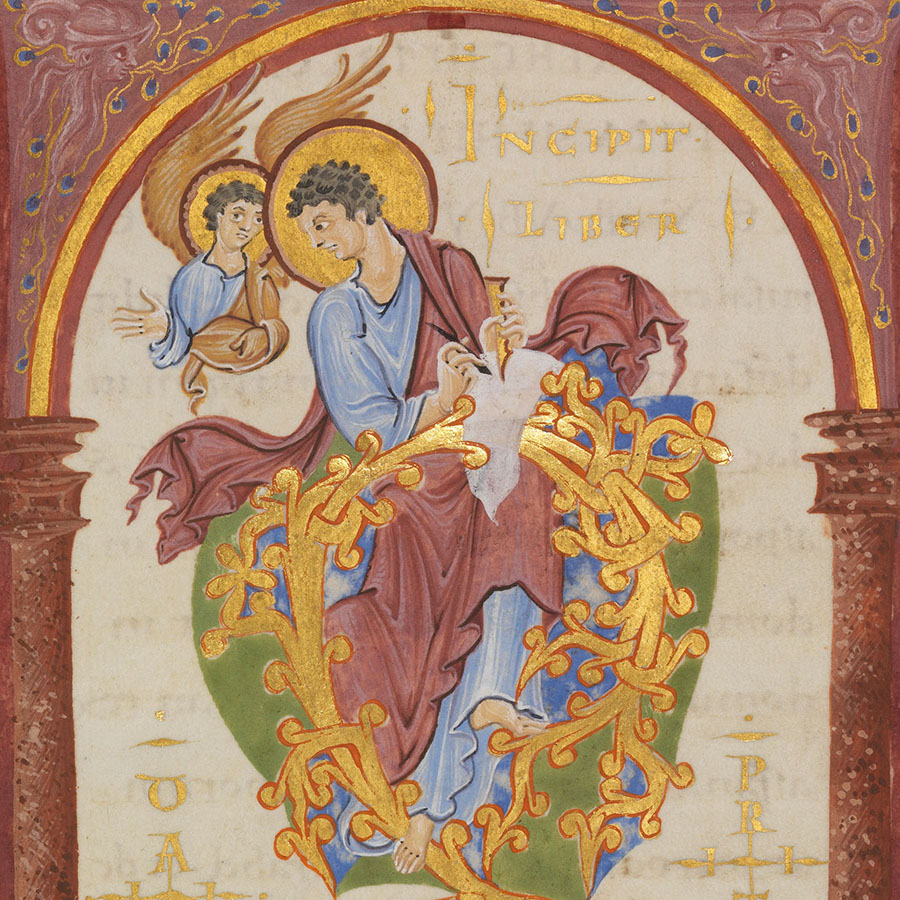
Harrowing of Hell. An angel unlocking the Door of Hell. Hell is represented as a great mouth within which are human beings and devils.
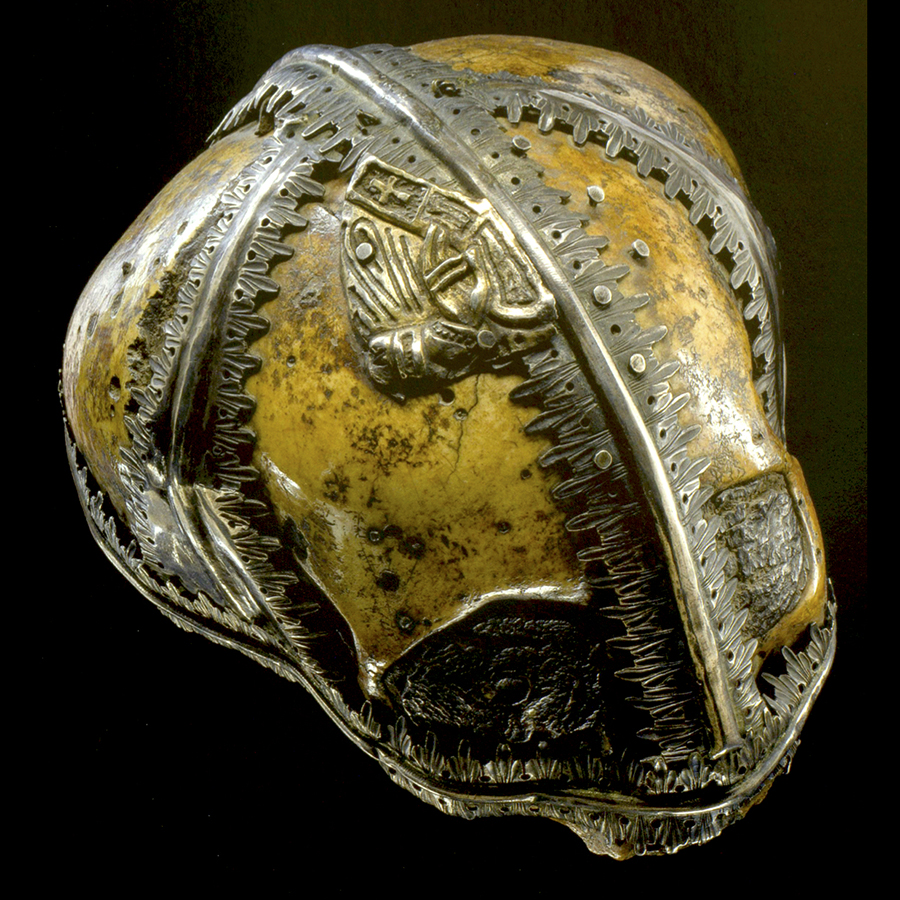
ARH 6292–01 Medieval Monstrosity – Dr. Erika Loic

Tuesday 1:20—3:50pm in WJB 2038

Major area: The Post-Ancient and Medieval World
Medieval representations of monsters, legendary creatures, and unexpected hybrids defy simple explanations and categorization. They adorned the edges of objects and buildings for decorative or humorous effect, but they likewise appeared in contexts where they were discussed as real beings. In this seminar, we examine the range of roles monsters fulfilled in the Middle Ages, from embodying social anxieties to allowing opportunities for creative experimentation outside the constraints of religious iconographies. Many have surprisingly long histories and offer examples of the vast distances that mythologies and motifs traveled throughout Afro-Eurasia.
 
ARH 5806–05 Michelangelo – Dr. Lorenzo Pericolo

Monday 4:50–7:20pm in WJB G41

Major area: Modernities and Modernisms
Seen alternatively as the perfect embodiment of the Italian Renaissance or as the harbinger of its dissolution, spiritual crisis, and cultural upheaval, Michelangelo Buonarroti (1475–1564) is not only a universal master, as documented by his vast pictorial and sculptural output and his numerous architectural designs, but also an essential engine of innovation in the evolution of the Italian arts in Italy between the late quattrocento and the age of Mannerism. Spanning almost seven decades, his career gives us the opportunity to examine Renaissance art from its innermost core, through its ideals and dilemmas, its inventive potential and deep-rooted biases. This course focuses on Michelangelo’s works, from the earliest ones produced in the Neoplatonic context of Lorenzo de’ Medici’s Florence to the latest ones carried out in counter-Reformation Rome.
 
this is an image of a large building with a clock on the front of it
Creator: Unknown architect (creator); Date: Sixteenth century; Material: stone and masonry
ARH 5806–07 History of Caribbean Colonial Architecture – Dr. Paul Niell

Tuesday/Thursday 3:05–4:20pm in WJB 2041

Major area: Visual Cultures of the Americas
This course exposes students to the complexities of Caribbean colonial architecture and cultural landscapes (c. 1492 to the end of the 19th century). The course examines a wide range of forms, including Atlantic port cities, plantations, domestic buildings, hospitals, churches, porches, balconies, and corridors in such present-day nations and territories as Puerto Rico, Dominican Republic, Cuba, and Jamaica, among others.
 

Recurring Foundation Courses

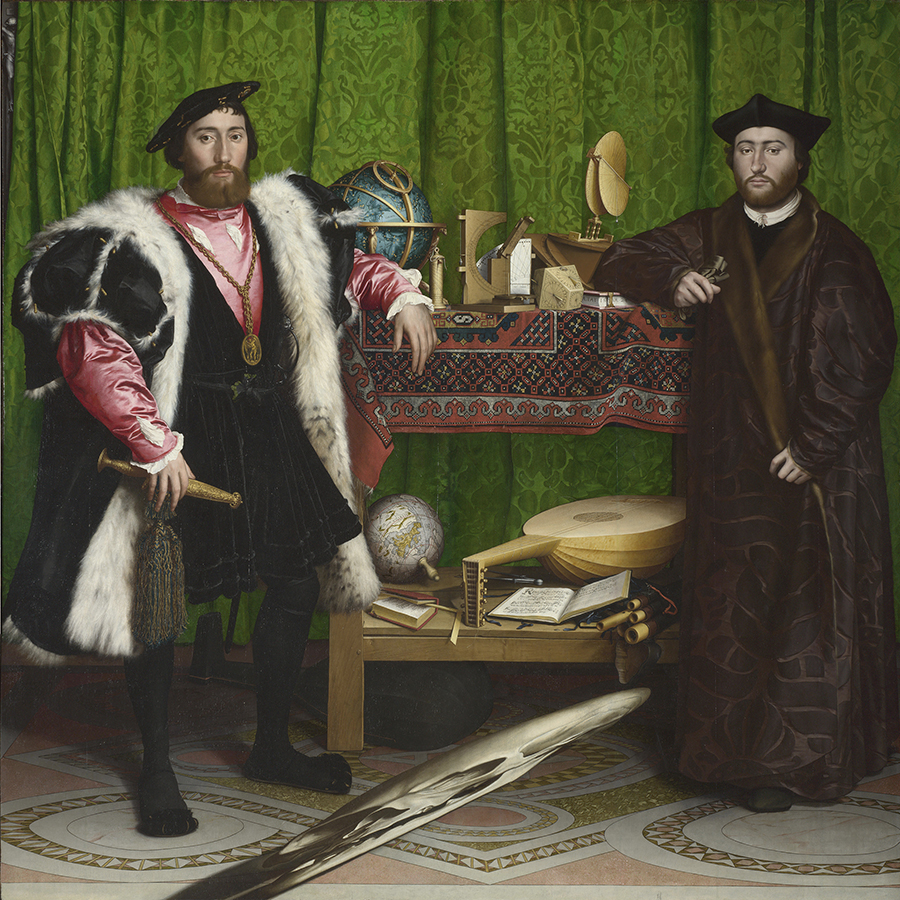
there is a painting of a man sitting at a table with a cat
ARH 5813-01 Art History Methods – Dr. Mora Beauchamp-Byrd

Wednesday 4:50—7:20 pm in WJB 2038

Required for ALL first-year graduate students if not previously taken at FSU. 
This seminar introduces incoming graduate students to the analysis of art, architecture, and material culture as a historical and critical discipline. Weekly readings showcase theories and methods in action, as well as some of the developments and ongoing debates in the history of art. Students consider their place within (or in opposition to) existing traditions while developing their skills in careful looking, critical reading, and persuasive writing.

ARH 5797–01 Seminar in Museum Studies – Dr. Susan Baldino

Thursdays 1:20–3:50pm in WJB 2038

Required for all first-year MCHS students.  The Museum Basics Seminar examines traditions, transformations, and the current state of museums, concerns and theories of museum studies, practical matters in the professional museum field, and prognoses for the future of museums. Students will learn through scholarly and professional literature, interaction with museum theorists and practitioners, on-site observation, and analysis in museums or on museum websites, discussion, and research.

Interested in courses outside of the Department of Art History/College of Fine Arts?
(Only available to students after demonstration of successful academic progress in their first semester in the program.)

On a limited basis, students may request to take courses outside of those offered by the Department of Art History. Permission from the Director of Graduate Studies or Director of MCHS, as appropriate, will be required in order to ensure that the course will be credited toward your degree.

Students on a graduate assistantship must request Dean’s permission to use tuition waivers to cover a course outside of the college. Permission from the College of Fine Arts is not guaranteed. The college is much more likely to allow waivers to cover a course within the college, for example, in Art Education.

Contact Emily Johnson (etjohnson@fsu.edu) to discuss your request and initiate the approval process.