This spring, Associate Professor Michael D. Carrasco’s research has focused on Mesoamerican visual culture and biocultural heritage, with new publications and presentations spanning Mexico, Japan, the Philippines, and the United States.
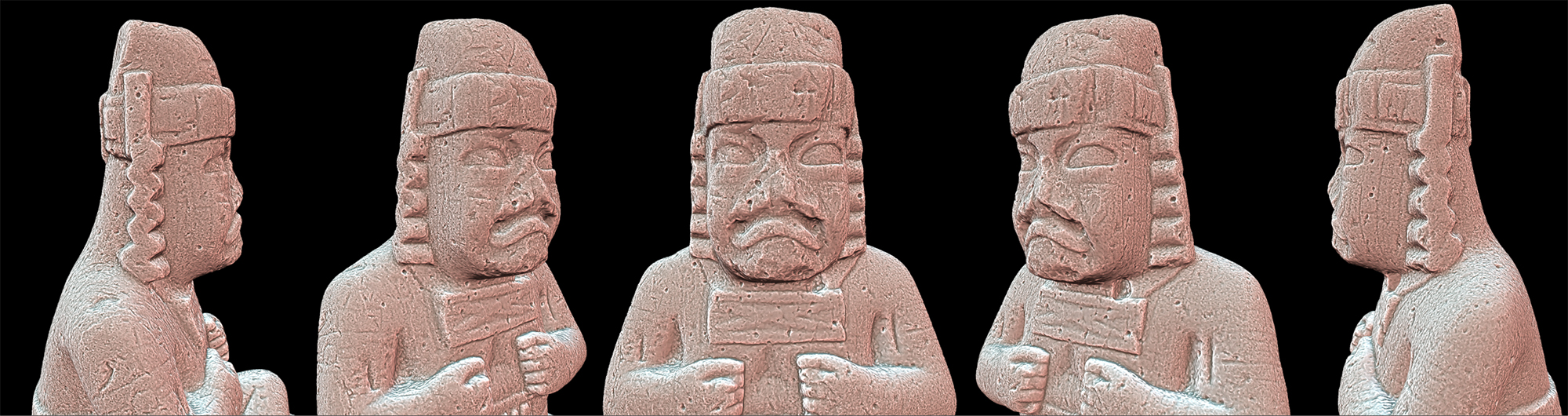
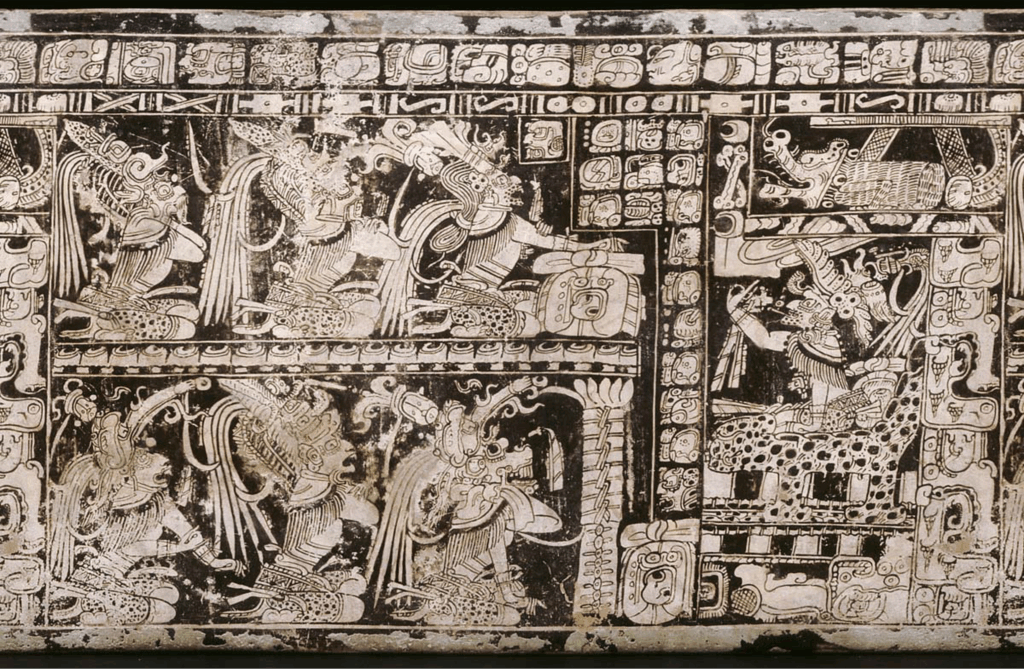
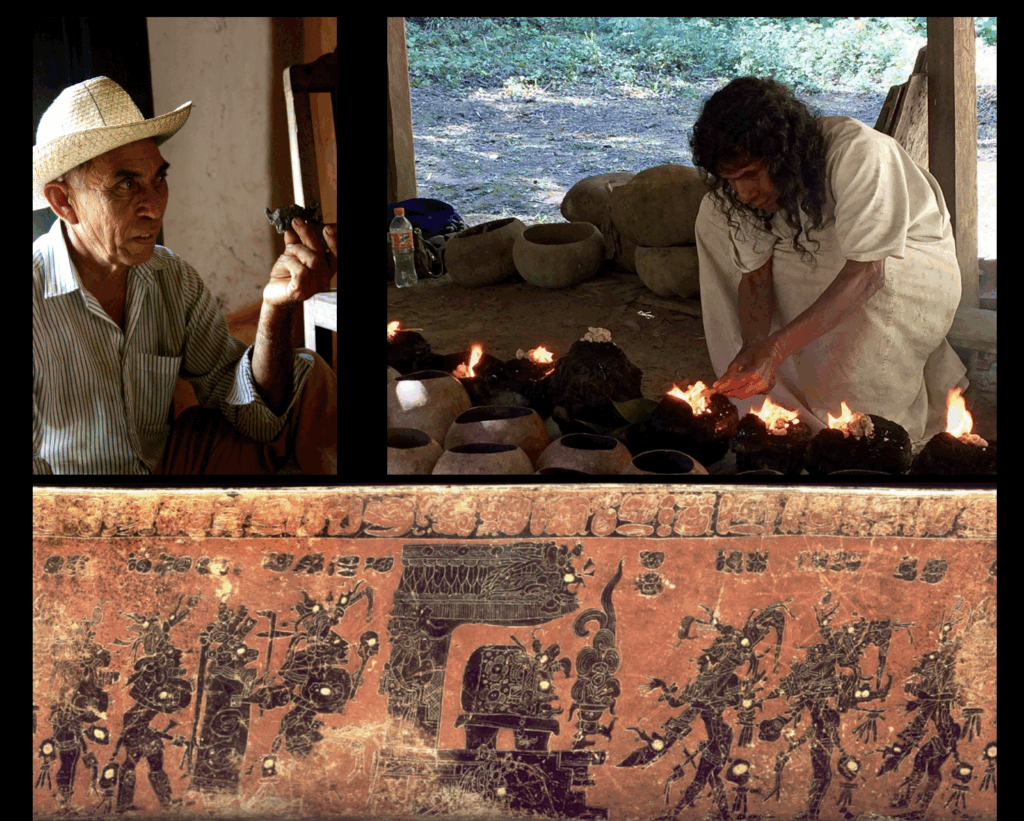
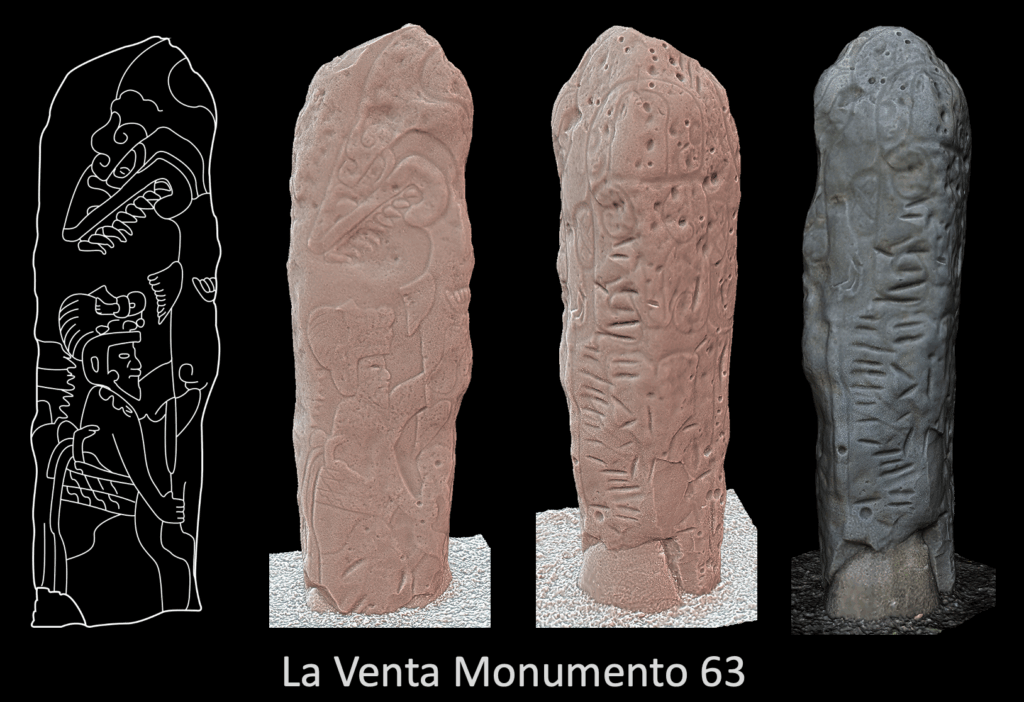
Carrasco’s research on Mesoamerica is reflected in a co-authored study of Monument 2 of Los Soldados, Veracruz, an Olmec sculpture in the collections of the Museo de Antropología de Xalapa. New collaborative research on the monument—combining art historical analysis with digital documentation—will be presented at the 91st Annual Meeting of the Society for American Archaeology (San Francisco, April 29–May 3) in the session The Olmecs: Current Research and Future Directions. Dealing with issues of representation and presence his co-authored paper “Las formas del dios: materialidad, iconografía, y presencia en el mundo mesoamericano,” presented at the Museo del Templo Mayor (INAH) in Mexico City explored how material form and visual representation mediate divine presence in Mesoamerican worlds. [Recording]
Carrasco’s recent and upcoming spring presentations include:

- “Invasiones biológicas en el Antropoceno: El colapso de patrimonio biocultural en las islas Amami, Japón” (with collaborators), presented at the VI Reunión de Investigadores del Cuaternario y el Antropoceno (INCUA), UNAM (Morelia, Mexico)
- “Ancestral Echoes, Contemporary Voices: Indigenous Art in Dialogue” (with Kaylee Spencer), to be presented at the Society for American Archaeology meetings
- “Biocultural Collapse in the Amami Islands: Sotetsu Decline and the Fragility of Island Heritage in the Anthropocene” (with collaborators), to be presented at the Island Studies International Conference (ISIC) 2026, (Tacloban City, Leyte, Philippines)