Student and Faculty Travels, Exhibitions, Presentations, and Publications
Winter 2026
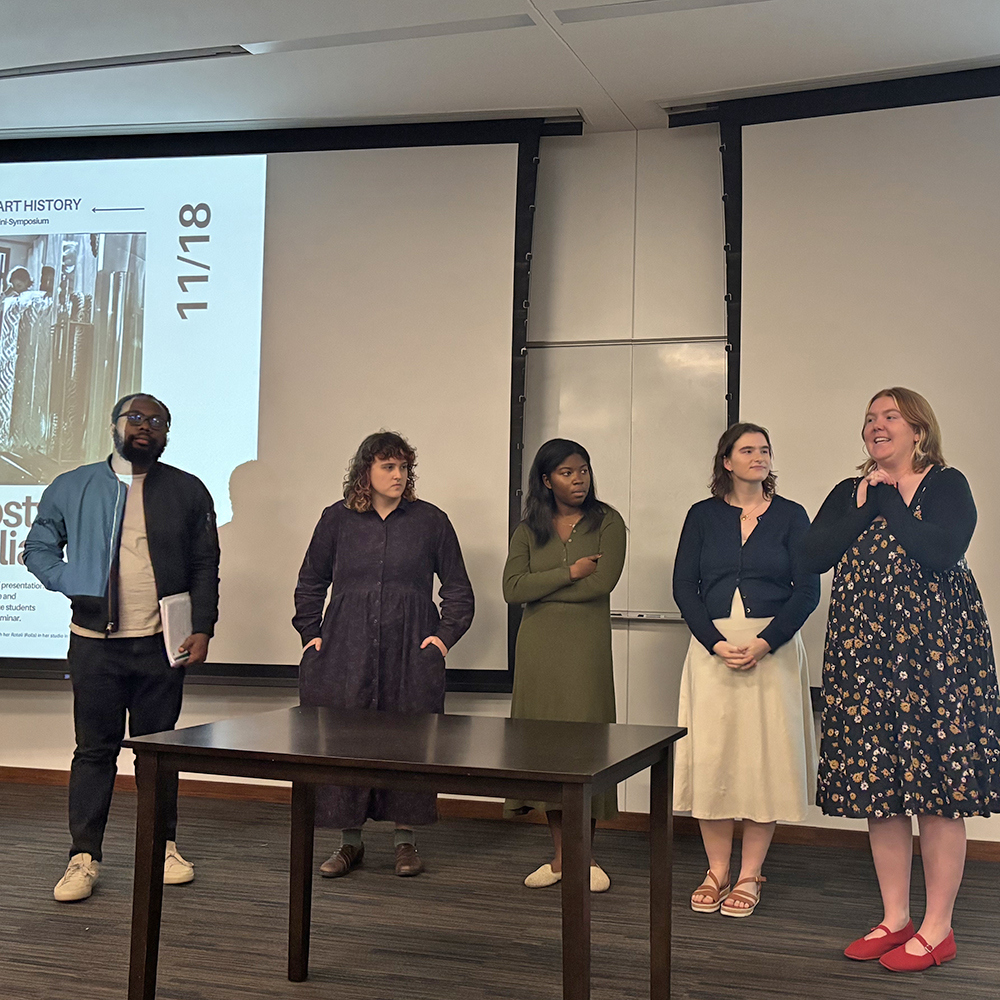
Five students from the art history BA, MA, and PhD programs in Dr. Tenley Bick’s Postwar Italian Art seminar participated in a mini-symposium in November: Sahara Lyon-Mundy, Megan Neely, JC Bright, Leah Ullman, and Leasah Beaubrun Jean-Francois presented their original research. The mini-symposium concluded with a robust q&a discussion between panelists and with the attendees.
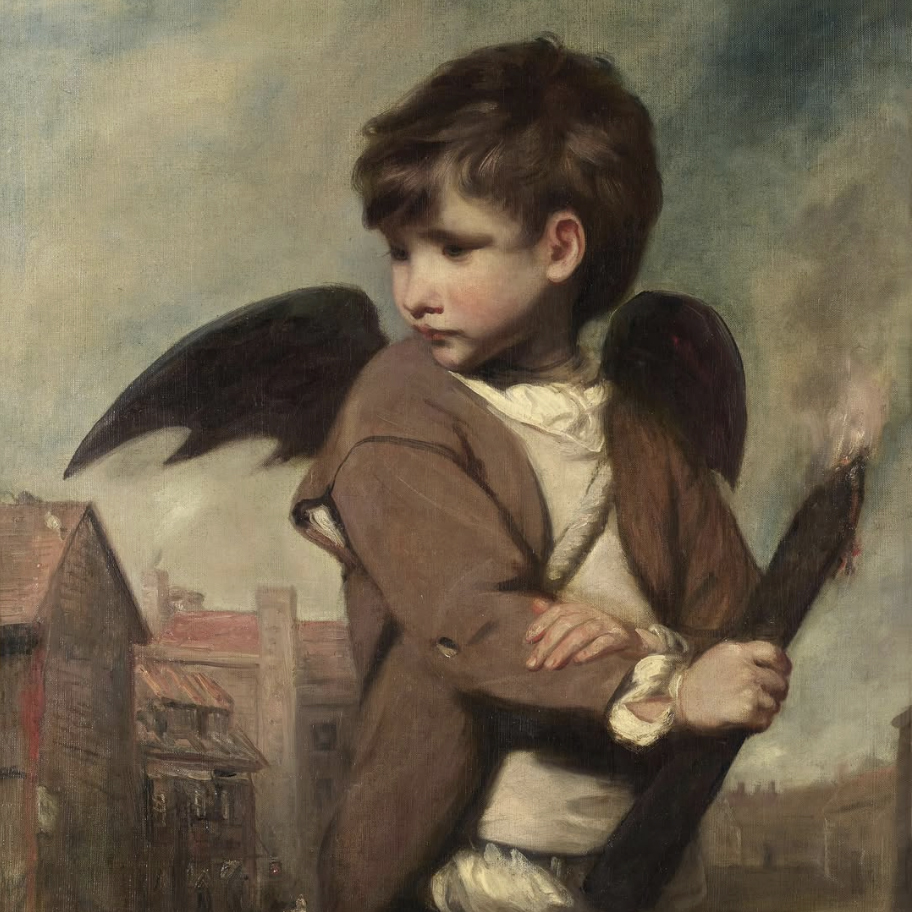
Doctoral candidate Danelle Bernten presented her paper “Invisible Employment: The Child Prophet and Child Laborer in the Paintings of Sir Joshua Reynolds during the Eighteenth Century” at the Southern Conference for British Studies in St. Pete Beach, FL in November.


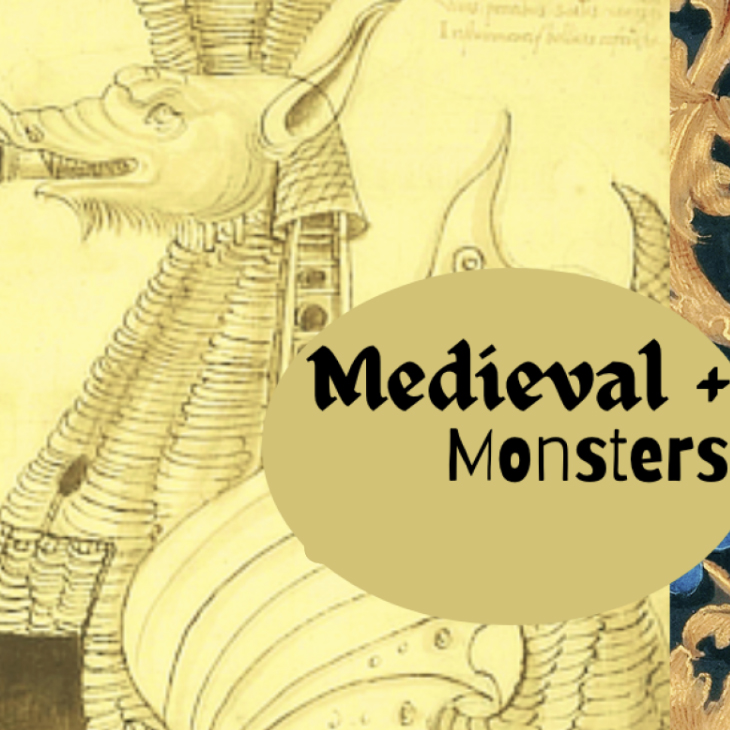
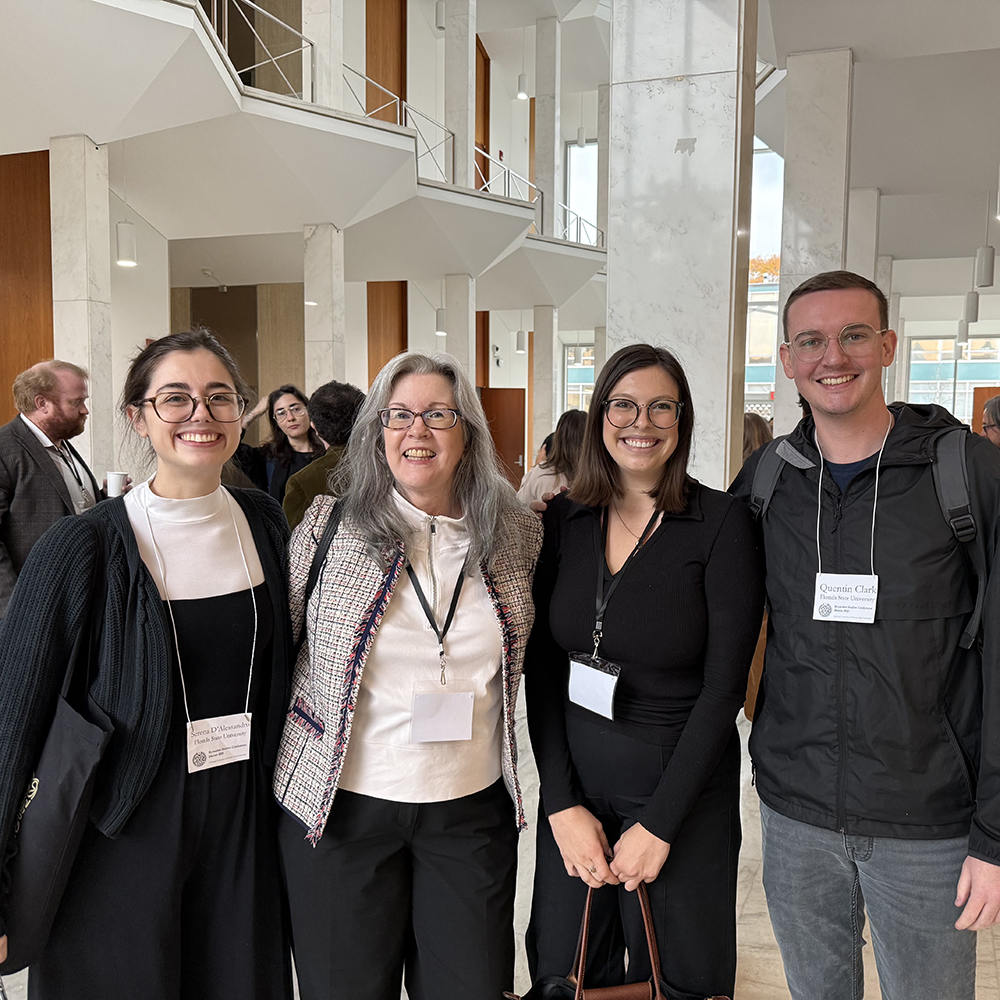
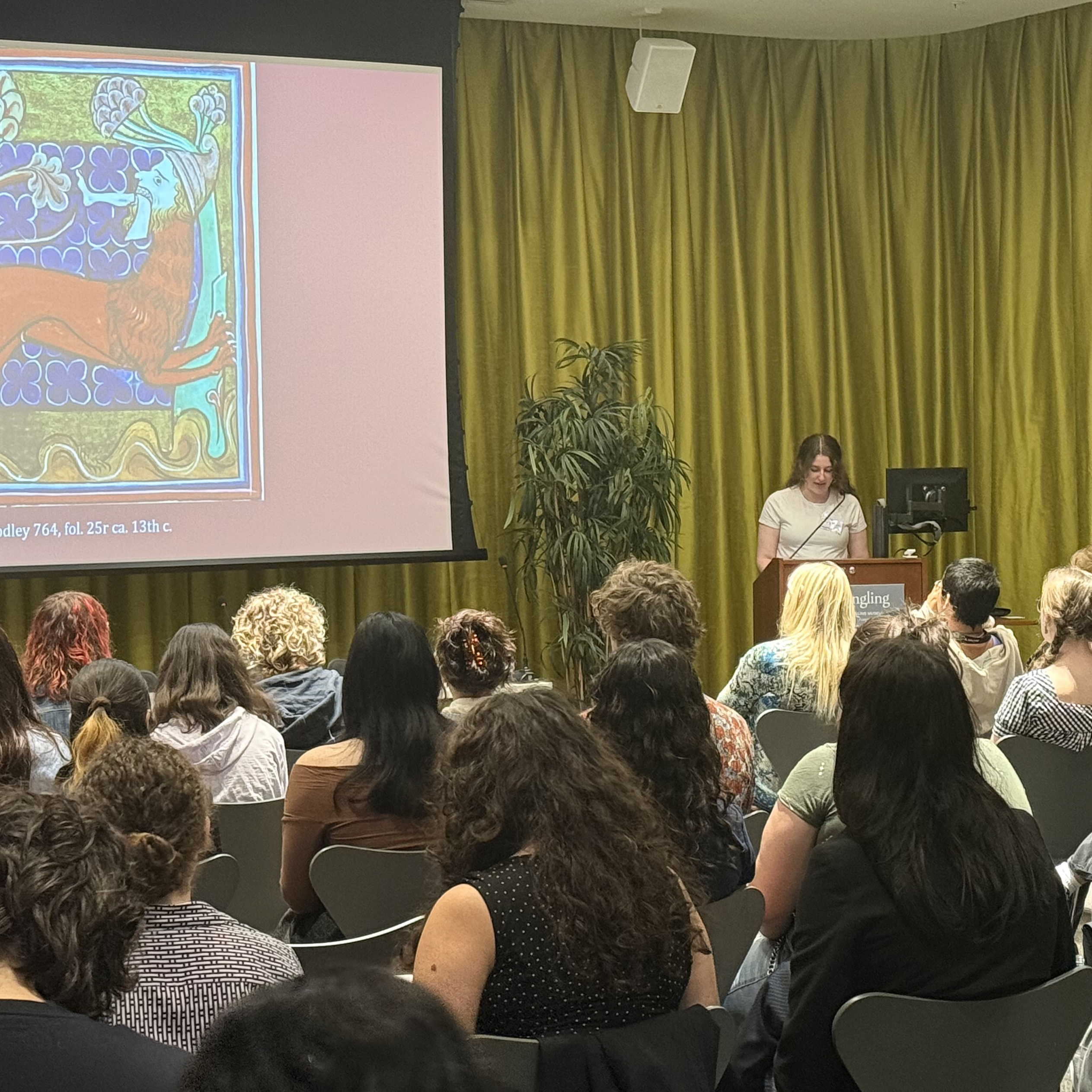
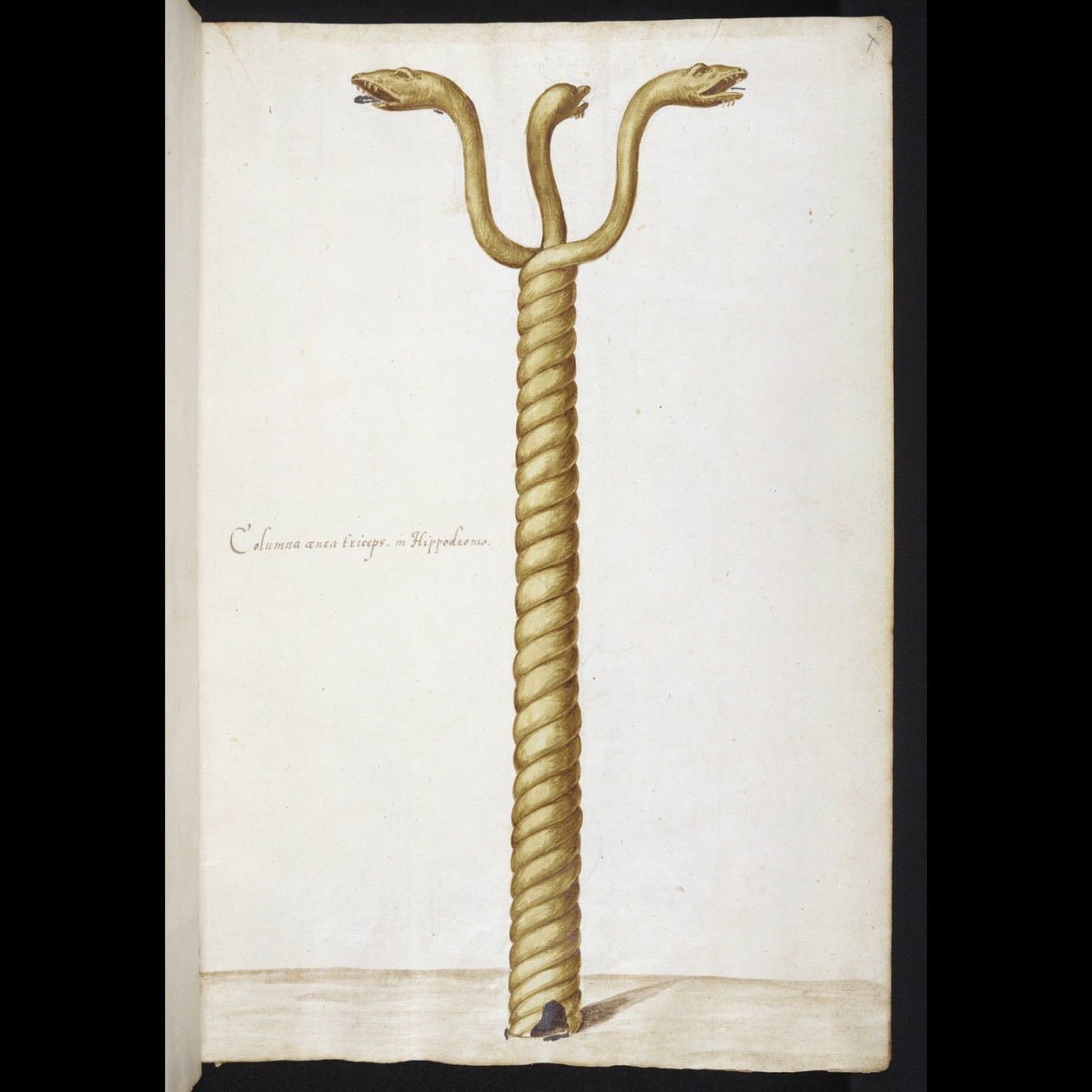
Doctoral candidate Madison Gilmore-Duffey presented “Lineage Through Opposition: The Delphic Tripods of the Hippodrome and Connections with Rome” in a January conference in San Francisco sponsored by the Archaeological Institute of America and the Society for Classical Studies. She also presented the paper at our department Research Forum on January 30. The Forum also featured doctoral candidate Emma Huston, presenting “Screaming in Stone: Queenship and Spatial Subversion at Monreale” a paper she will take to the International Congress on Medieval Studies conference in Kalamazoo, MI in May; and doctoral student Olivia Turner, presenting “From Seville’s Plague to Madrid’s Court: Luisa Roldán’s Marian Sculptures of Maternal Resilience,” a paper she will share at the Renaissance Society of America Conference in San Francisco in February.

Professor Lorenzo Pericolo has published a new book, Deleuze’s Modern Baroque: The Fold, Leibniz, the Formless, and the Objectile (Brepols, 2025). Pericolo discusses theoretical questions crucial to artistic debates in the period 1950–1980: art as philosophy; artistic thinking as opposed or germane to philosophical (and scientific) thinking; painting and sculpture as metaphysical operations; the ground as both the origin and negation of art; color as the degree zero of painting; authorless art; and art as infinity. Interwoven with examples of works by Christian Bonnefoi, François Rouan, Robert Ryman, Martin Barré, and Robert Rauschenberg, these discussions shed light on the complexity of Deleuze’s investigations. The final section of the book centers on the reception of American minimalism in 1980s France and on the folding in architecture trend in the United States at the beginning of the 1990s.
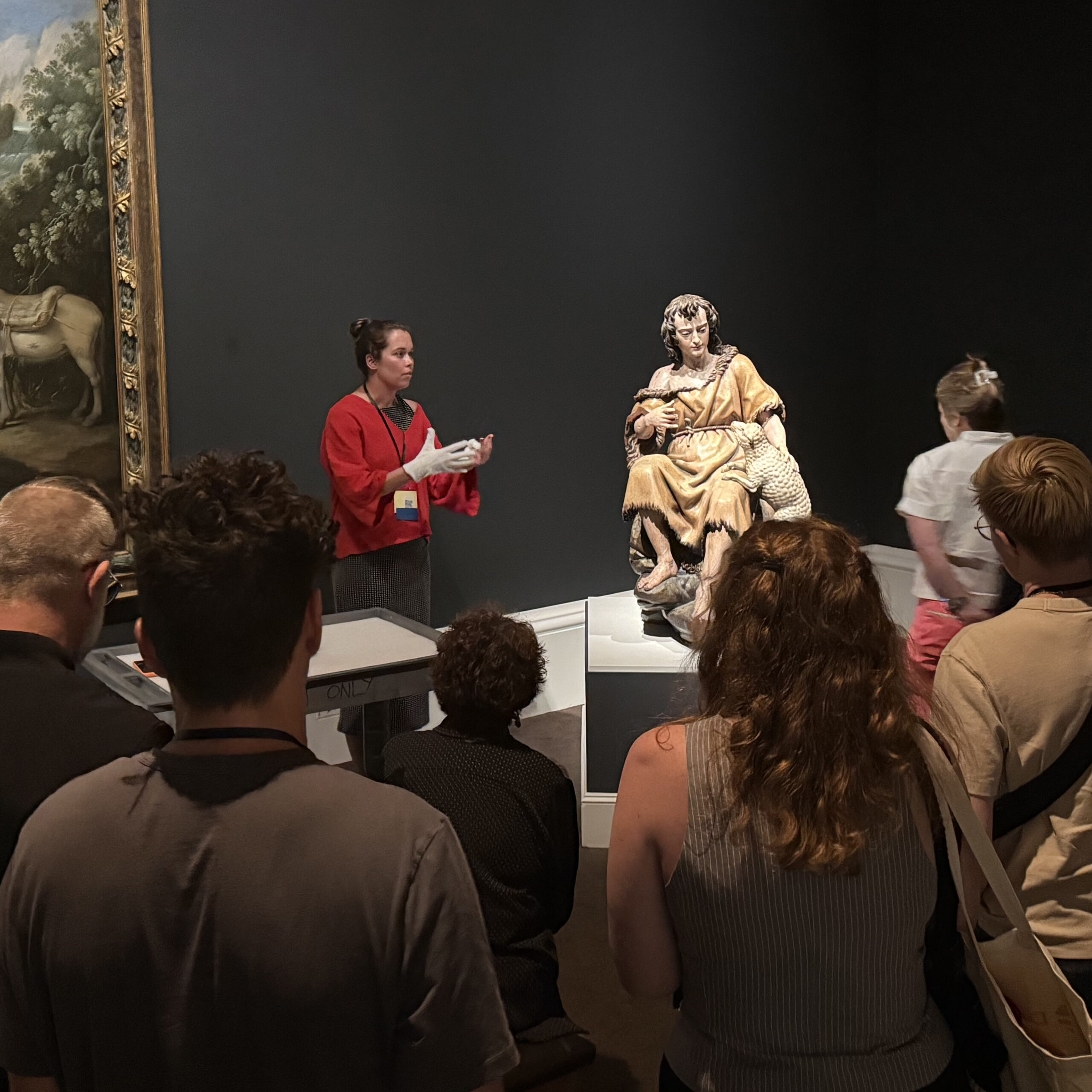
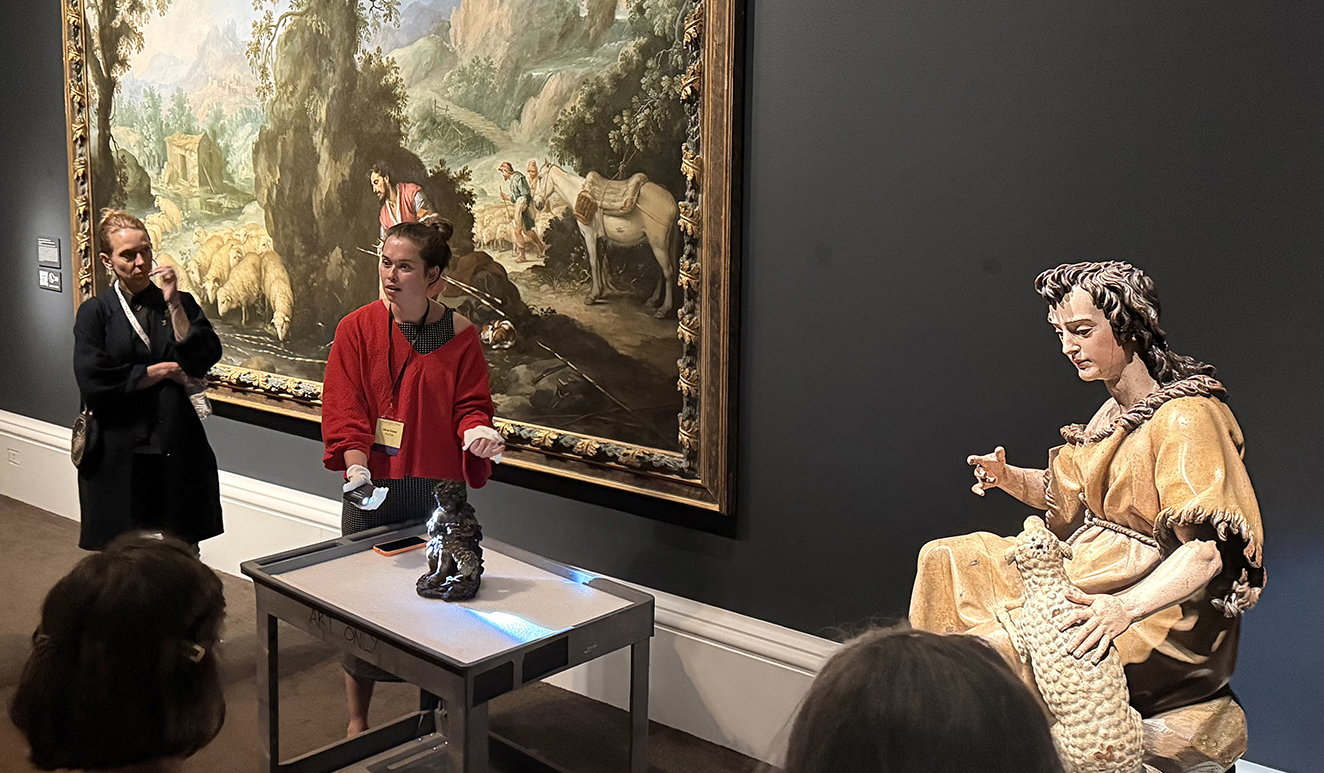
Doctoral student Olivia Turner chaired and presented on a panel titled “Recasting the Workshop: Women, Labor, and Legacy in Sculpture” at the International Sculpture Center Conference in Dallas, TX, in the fall. The panel examined the evolving dynamics of the sculpture workshop by comparing Luisa Roldán’s early modern practice with those of two contemporary women sculptors. Following a roundtable discussion, Olivia led a gallery tour of the Meadows Museum. In November, Olivia also participated in an interview with the International Museotherapy Initiative titled “When the Gallery Held the Space.”
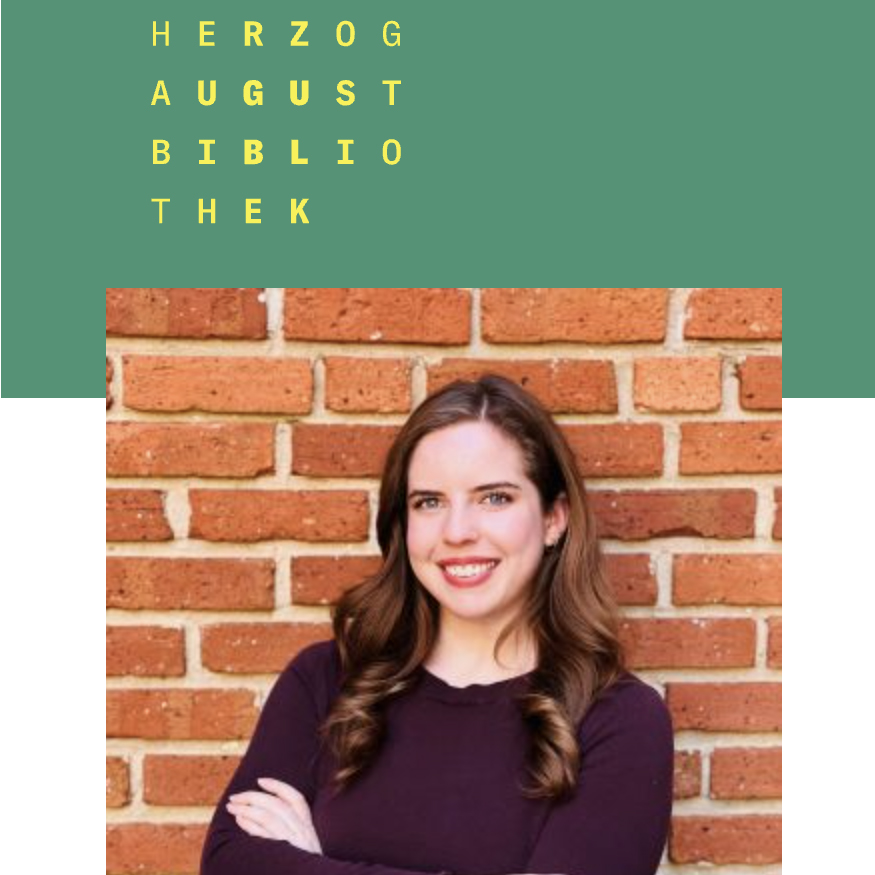
Doctoral candidate Emily White was in residence for eight weeks at the Herzog August Bibliothek in Wolfenbüttel, Germany for Fall 2025. She completed dissertation research on the art of early modern Germany, advised by Dr. Stephanie Leitch. Emily’s dissertation, “Visual Surgery: Printing in Early Modern Europe,” investigates the history of medical graphics and the dissemination of vernacular knowledge through prints of surgery. Her stay at the library was funded by a Rolf und Ursula Schneider-Stiftung Doctoral Fellowship and the Mason Dissertation Research Award. “The Herzog August Bibliothek provided a fantastic opportunity to work on my dissertation and access their world class collection. I will always be grateful for the colleagues I met and help I received while in residence. I will particularly miss the Lebkuchen and Weihnachtsmärkte!”