Undergraduate Courses - Spring 2027
Click the course titles for full descriptions
courses - Fall 2026
Spring 2027 Lecture Courses
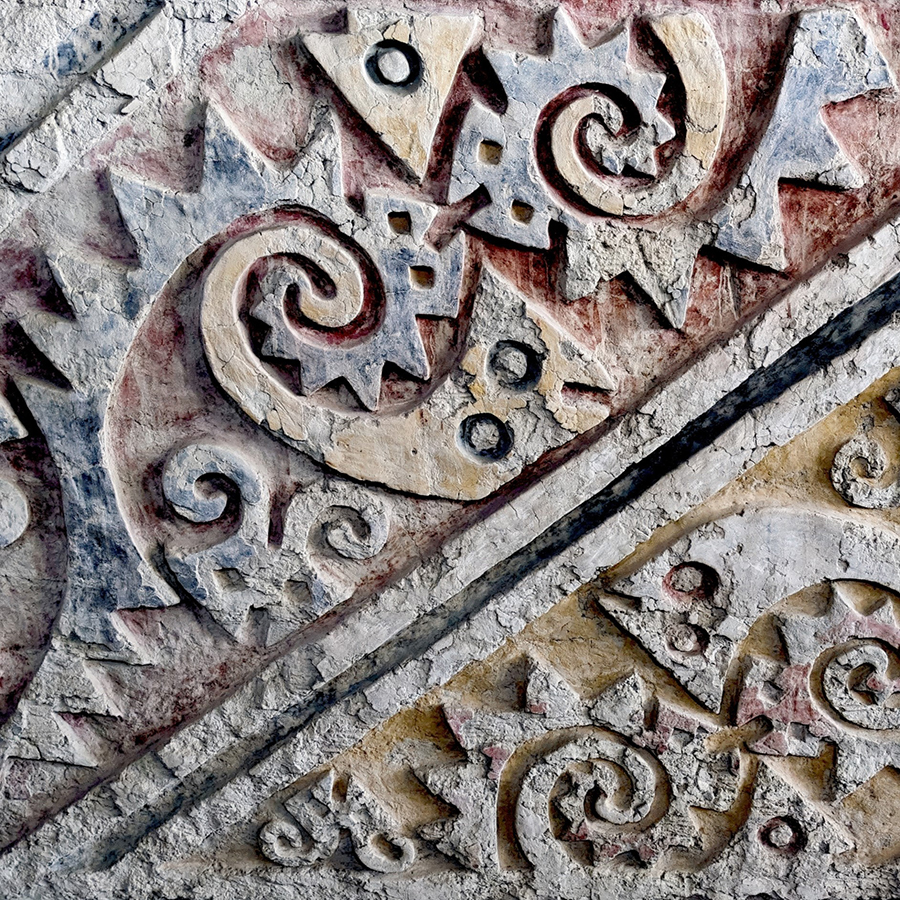
ARH 3930-01 Art of the Ancient Andes – Dr. Brendan Weaver
Monday & Wednesday 9:20—10:35 am in WJB G40
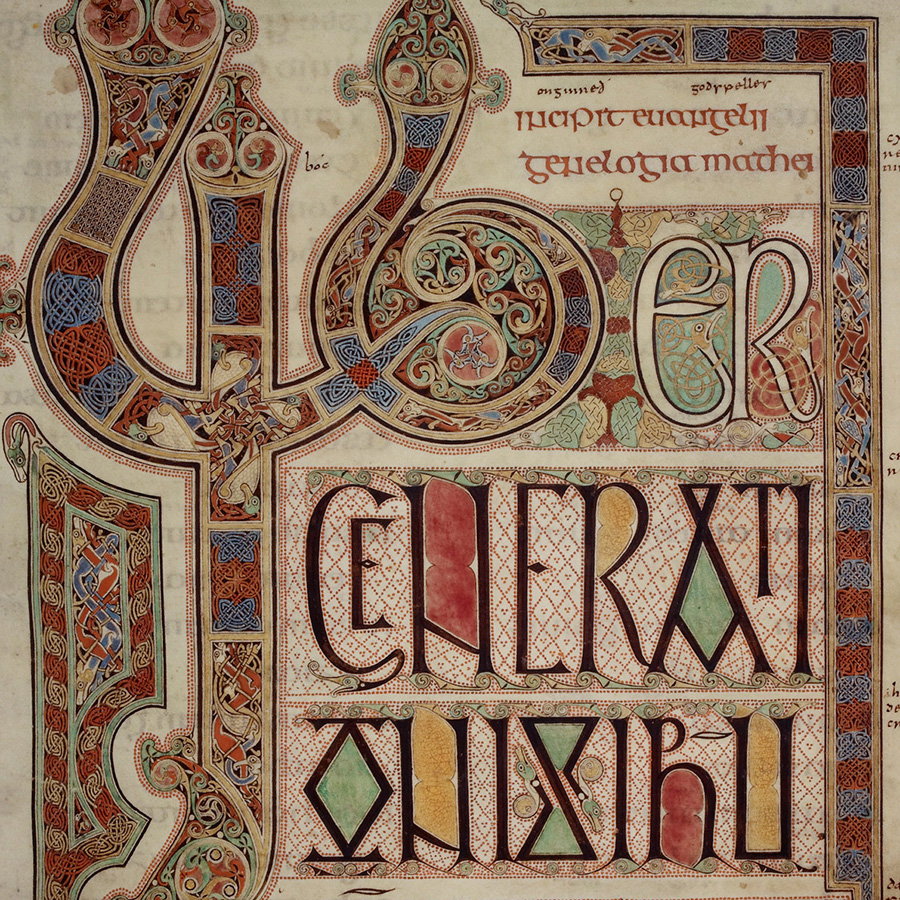
ARH 4211-01 Early Medieval Art – Dr. Erika Loic
Monday & Wednesday 12:00—1:15pm in WJB G40
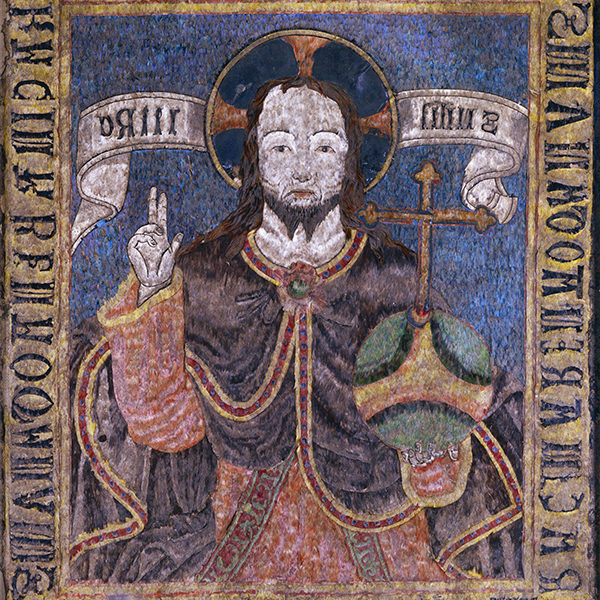
ARH 4372-01 Spanish Colonial Art: The Habsburg Period, 1492/1516-1700 – Dr. Paul Niell
Tuesday & Thursday 3:05—4:20pm in WJB 2041
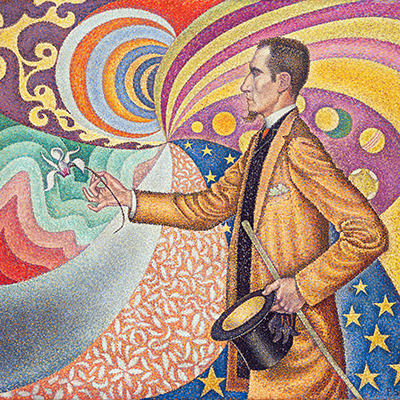
ARH 4414–01 Modern European Art: Neoclassicism through Impressionism – Dr. Adam Jolles
Tuesday & Thursday 11:35—12:50pm in WJB G40
This course examines European art from roughly 1789 to 1889, beginning with Neoclassicism during the French Revolution, proceeding through the Romantic and Realist movements associated with the early and mid-nineteenth century respectively, and ending with Naturalism and Impressionism toward the end of the century. We emphasize close examination of works of art and read primary source documents from the period in order to establish the issues with which the artists were concerned, the forms and materials they used to express themselves, and the political and social values they sought to embody in their art. Some prior coursework in art history (e.g., ARH 2051) is strongly recommended, but not required.
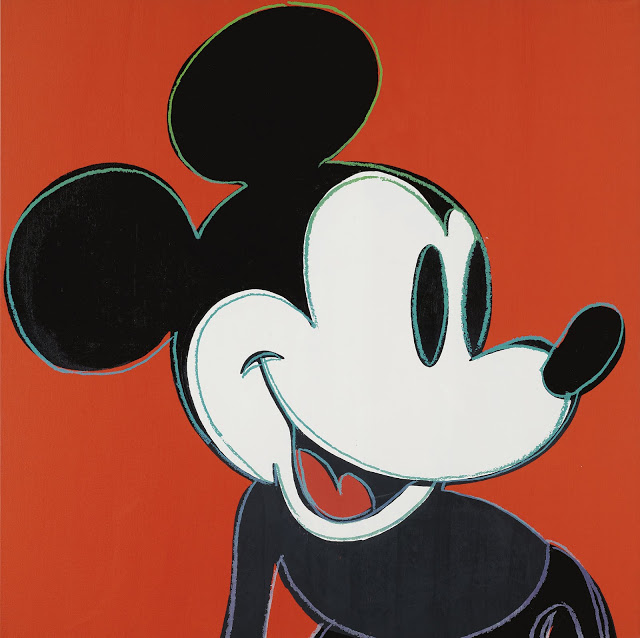
ARH 4884-01 Disney and the American Century– Dr. Robert Neuman
Tuesday & Thursday 1:20—2:35pm in WJB 2041
This course considers Walt Disney and his company in relation to art, society, and politics during the twentieth century. Special attention is paid to Disney’s contributions in the realms of film, architecture, and the theme park. Through assigned readings and visual material such as cartoons, slides, and documentaries, the course assesses the relationship between high art and popular art and evaluates Disney’s impact on the production and consumption of leisure.
Spring 2027 Undergraduate Seminars
Seminars are the capstone courses for the Art History undergraduate curriculum. They are research- and writing-intensive courses that give students opportunities to pursue original scholarship. Two seminars are required for the major.
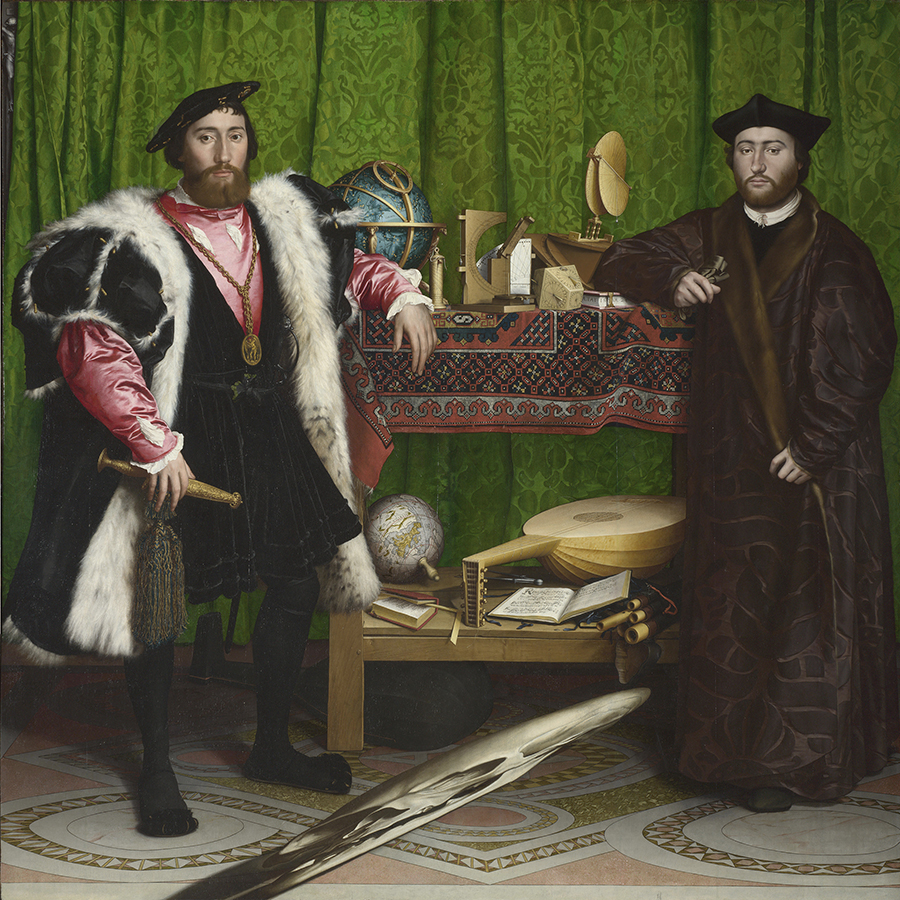
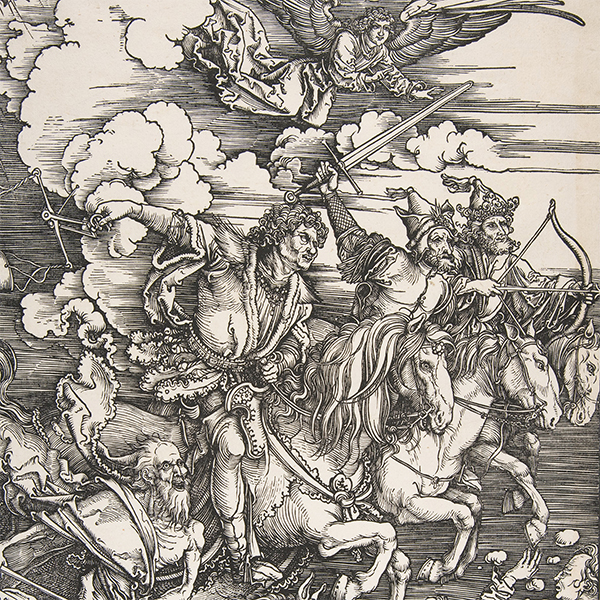
ARH 4800–01 Reformation and Revolt– Dr. Stephanie Leitch
Thursday 1:20—3:50 pm in WJB 2038
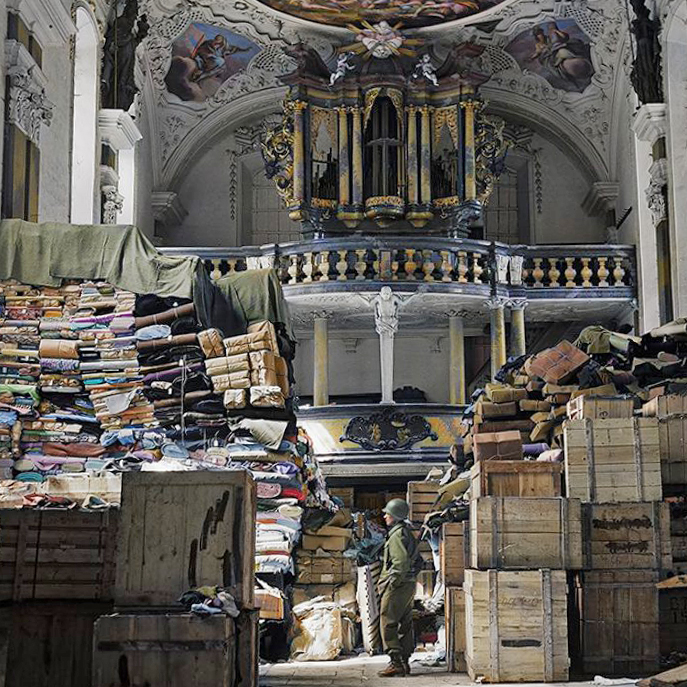
ARH 4800-02 Art & Cultural Heritage Law & Policy – Dr. Preston McLane
Tuesday 4:50—7:20pm in WJB G41

ARH 4800-03 Golden Age Hollywood – Dr. Robert Neuman
Monday 1:20–3:50pm in WJB 2038
ARH 4800-04 Spanish Art of the Golden Age – Dr. Lorenzo Pericolo
Thursday 4:50–7:20pm in WJB G41
Recurring Foundation Courses
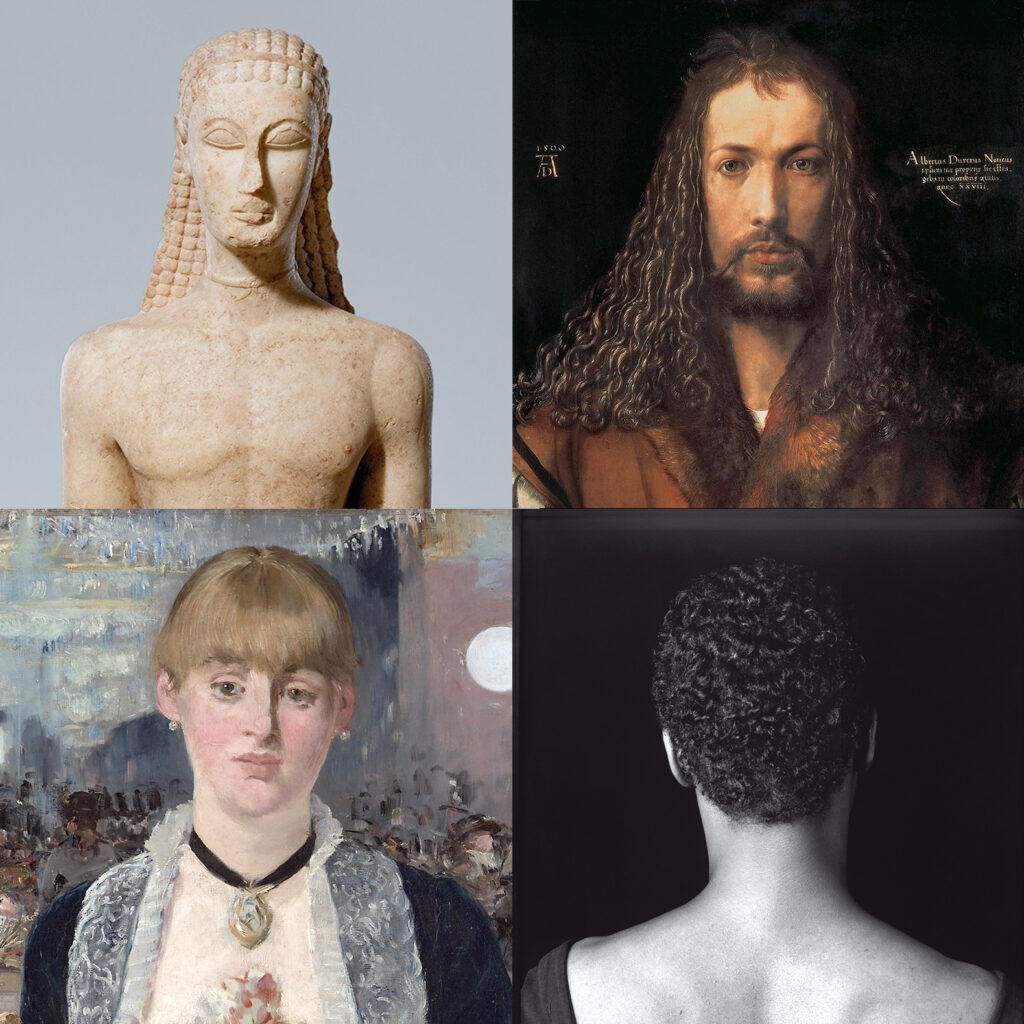
ARH 2050/2051 Art History Surveys
Required for Art History majors
Sections and times vary; see Student Central Course Search.
| These foundation courses introduce students to the discipline of art history through a survey of canonical and anti-canonical narratives of the history of art (ARH2050: prehistoric to late-Medieval periods; ARH2051: early Renaissance through global contemporary art). While the courses are organized chronologically, they are also unified by the theme of “encounters,” broadly conceived to address a wide range of unexpected meetings, confrontations, and points of exchange between two distinct entities—artistic, cultural, ideological, and more. Encounters may therefore include meetings of different artistic movements, cultural traditions, and belief systems, among other subjects. The courses address select works of art and creative expression from across history that offer students an opportunity for close object-focused study and skills development that are foundational to the discipline. The courses also teach students to build critical thinking and aptitude through discussion of the overarching course theme in a variety of contexts. |
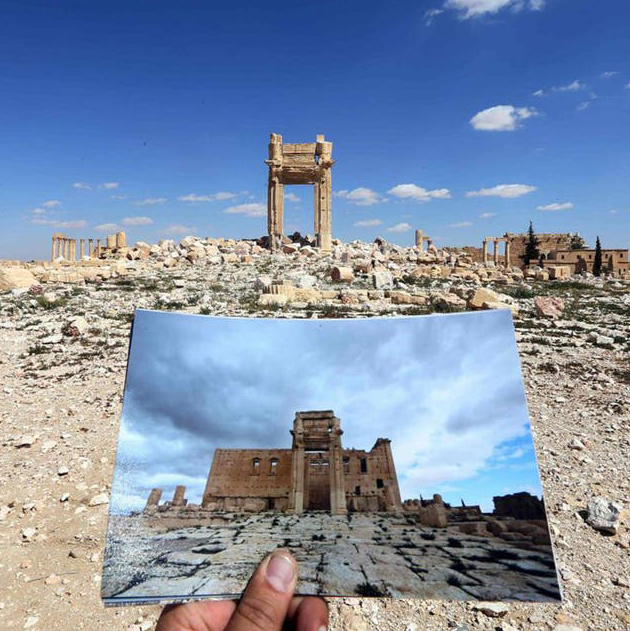
ARH 2814 Cultural Heritage in the Digital Age – Dr. Leah Sherman
Online / Asynchronous
Liberal Studies Designations: Scholarship-in-Practice, Computer Competency/Digital Literacy. This course introduces students to digital literacy through the lens of cultural heritage. The curriculum of this course includes readings, hands-on activities, discussion posts, quizzes, current events, and a significant final project geared toward the issues and practices of cultural heritage within today’s digital world. This is an online, asynchronous course where students will learn first-hand that digital literacy is not a skillset limited to one field of study or career path alone, and they will find that by gaining new competencies in this arena that they can participate in and help to shape a discourse reaching far beyond their own time and place. Cultural heritage is similarly not limited to one discipline or one culture, and it is not a historical topic – the currency and global nature of cultural heritage are two themes we will continuously see throughout the semester.
ARH 3794–01 Museum Basics – Dr. Carey Fee
Friday 9:20–11:50am WJB 2040
|
Reserved for students in the Museum Studies Minor
From cabinets of curiosities to virtual museums, this course addresses museum history, philosophy, practice and careers. Through readings, discussions, guest lectures, field trips to local museums and a number of short topical projects, students will develop a framework for understanding the role of today’s museums. They will also be prepared to evaluate the major issues facing museum professionals today.
|
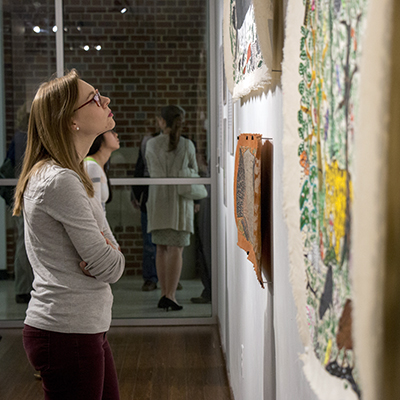
ARH 3854–01 Museum Object – Dr. Kaylee Spencer
Tuesday 9:45am–12:15pm in WJB G41
|
Reserved for students in the Museum Studies Minor
This course covers the philosophy and practice of acquiring, processing, preserving, displaying, and interpreting museum objects. Material culture and the museum objects are addressed from the perspective of various disciplines, such as art history, archaeology, anthropology, history, and the natural sciences. Hands-on experience is gained in designing and executing an exhibition of the students’ conception.
|
ARH 2000 Art, Architecture, and Artistic Vision – Dr. Sarah Buck
Online / Asynchronous
Liberal Studies Designation: State-Wide; Humanities & Cultural Practice Core
NOTE: Does not count toward the Art History major.
ARH 2000 is a fully-online art-appreciation course that introduces students to diverse forms of art and architecture created throughout history. Designed for remote learning since 2014, ARH 2000 is organized into weekly thematic modules that conclude with interactive assignments and discussions designed to encourage learning through role-playing, reflecting, and creating (no artistic skill necessary!). By completing this course’s interactive assignments and participating in this class, students actively practice thinking about art and its relevance to the world in which we live.